-
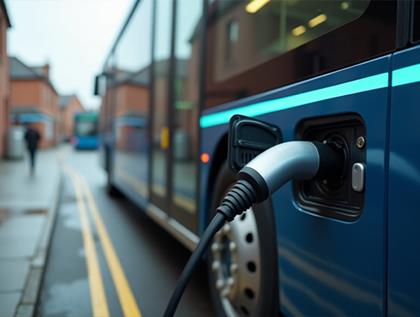
30 March 2026The Future of Electric Buses in the UK: Accelerating Toward Zero Emissions
-
31 October 2025Why the UK is Switching to Electric Buses Faster than Ever
-
17 October 2025WHAT IS THE ZERO EMISSION BUS (ZEBRA) SCHEME IN THE UK?
-
08 October 2024On-Demand (Dial and Ride) Vehicles: Revolutionizing Urban Mobility in the United Kingdom
The United Kingdom’s legally binding commitment to achieving net-zero carbon emissions by 2050 is significantly reshaping its public transportation landscape. As part of this transformation, the government has introduced policies to phase out the sale of new diesel and petrol buses, targeting a fully zero-emission fleet in the coming decades.
The National Bus Strategy serves as a key framework in this transition, encouraging collaboration between local authorities and private operators to deliver more sustainable, efficient, and user-focused transport systems. Within this evolving ecosystem, electric buses are emerging as a cornerstone solution - supporting not only environmental goals but also operational modernization across the network.
Why the UK Is Accelerating the Shift to Electric Bus Adoption
The UK’s rapid transition to electric buses is driven by a combination of environmental policy, regulatory pressure, and economic opportunity. Clean Air Zones (CAZ) implemented in cities such as Birmingham, Bath, Bristol and Oxford impose charges on high-emission vehicles, incentivizing operators to invest in zero-emission alternatives. Similarly, London’s Ultra Low Emission Zone (ULEZ) continues to expand, setting stricter standards for urban mobility.
Understanding the key drivers behind this acceleration is critical for stakeholders, and you can explore more about why the UK is switching to electric buses faster than ever to gain deeper insights into how these regulatory and market dynamics are shaping the transition.
Beyond regulation, the business case for electric buses is becoming increasingly compelling. Advances in battery technology have improved vehicle range and reliability, while reductions in total cost of ownership - driven by lower fuel and maintenance costs - are making electric fleets more financially viable. As a result, both large operators and smaller regional providers are accelerating fleet electrification.
Policy Power: National Bus Strategy and ZEBRA Funding Explained
Public funding remains a critical enabler of the UK’s electric bus transition. The Department for Transport’s Zero Emission Bus Regional Areas (ZEBRA) programme provides financial support to local authorities for the procurement of zero-emission buses and the development of necessary infrastructure.
Recent funding rounds have allocated over £140 million to support the deployment of hundreds of electric buses across the country, including in rural and semi-urban areas where adoption has traditionally been slower. These investments not only reduce the initial capital burden for operators but also stimulate local economies, support job creation, and accelerate the development of charging infrastructure nationwide.
In parallel, additional initiatives and partnerships continue to emerge, reinforcing the UK’s position as one of the more advanced electric bus markets in Europe.
Powering the Transition: Smart Charging and Infrastructure Evolution
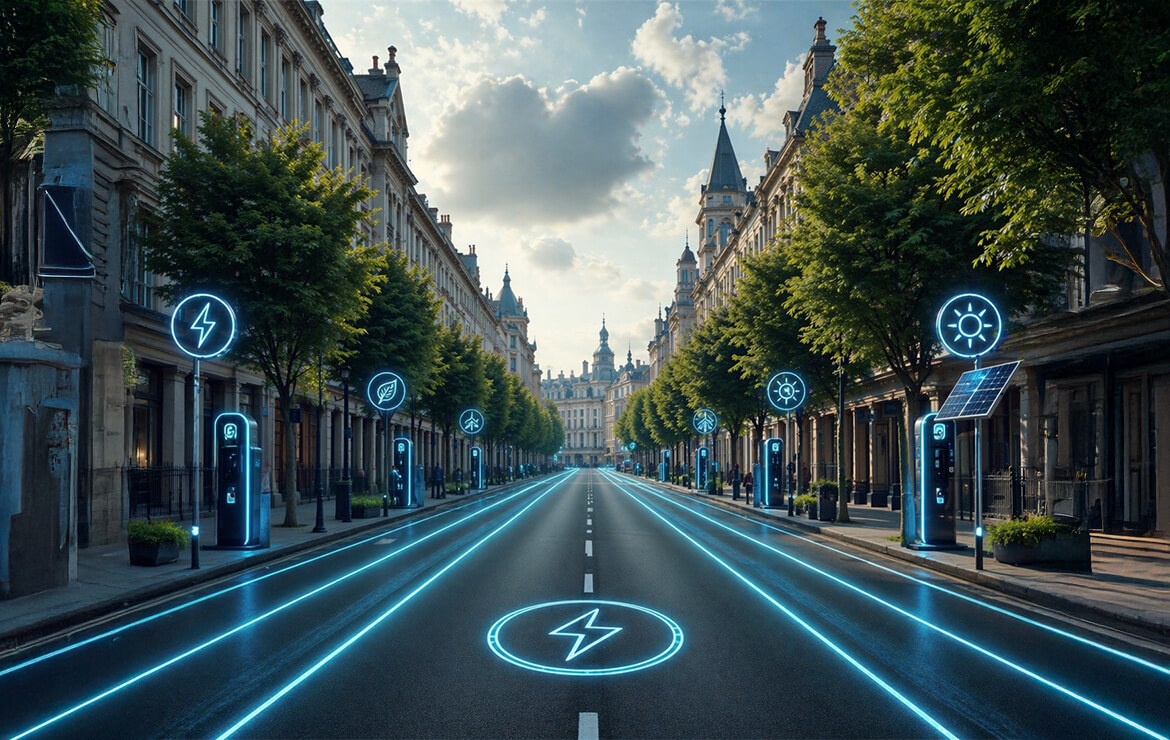
A successful transition to electric buses depends not only on vehicles but also on the robustness of supporting infrastructure. In the UK, depot-based charging remains the primary strategy, allowing operators to manage energy demand in a controlled environment.
However, as fleets grow, more advanced solutions are being implemented. Smart charging systems enable operators to schedule charging during off-peak hours, reducing energy costs and minimizing strain on the grid. Meanwhile, Vehicle-to-Grid (V2G) technology introduces the potential for buses to act as mobile energy storage units, feeding electricity back into the grid when demand is high.
These innovations are transforming energy management into a strategic function within transport operations, requiring closer collaboration between operators, energy providers, and public authorities. Long-term infrastructure planning is therefore becoming just as critical as vehicle selection in ensuring the success of electrification efforts.
A Greener Road Ahead: What’s Next for UK Public Transport
The transition to electric buses in the UK reflects a broader shift toward sustainable, resilient, and future-ready urban mobility. What was once considered an emerging technology is now rapidly becoming the industry standard, supported by strong policy frameworks, technological advancements, and increasing public awareness.
As cities continue to prioritize cleaner air and reduced carbon emissions, electric buses will play a central role in shaping the future of public transport. At the same time, the need for flexible and right-sized solutions will become increasingly important - particularly in areas where traditional models are less efficient or adaptable.
Looking ahead, continued investment in infrastructure, innovation, and policy alignment will be key to sustaining this momentum and ensuring a successful long-term transition to zero-emission mobility.