-
30 March 2026The Future of Electric Buses in the UK: Accelerating Toward Zero Emissions
-
31 October 2025Why the UK is Switching to Electric Buses Faster than Ever
-
17 October 2025WHAT IS THE ZERO EMISSION BUS (ZEBRA) SCHEME IN THE UK?
-
08 October 2024On-Demand (Dial and Ride) Vehicles: Revolutionizing Urban Mobility in the United Kingdom
Why the UK is Switching to Electric Buses Faster than Ever
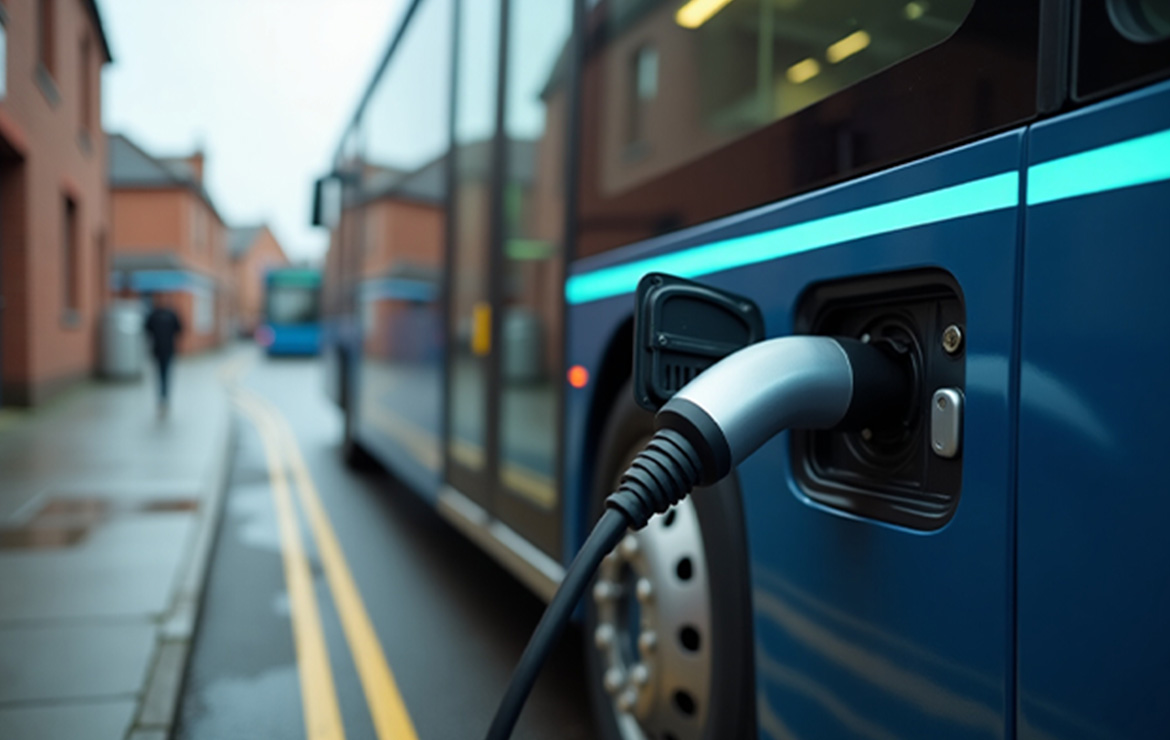
The United Kingdom is undergoing a rapid transformation in its public transport system. From London’s iconic red buses to fleets in smaller towns, electric buses are replacing diesel vehicles at an unprecedented pace.
Strong Government Support
At the heart of the transition is government policy. With the Zero Emission Bus Regional Areas (ZEBRA) scheme and additional investments into charging infrastructure, operators have strong incentives to make the switch.
The introduction of Ultra Low Emission Zones (ULEZ) in cities like London has also forced operators to modernise their fleets quickly to avoid heavy penalties.
Cost Benefits for Fleet Operators
While the upfront cost of an electric bus is higher than a diesel equivalent, the long-term economics are clear:
• Lower fuel costs – electricity is cheaper and more stable than diesel.
• Reduced maintenance – electric drivetrains have fewer moving parts.
• Total Cost of Ownership (TCO) – over a bus’s lifetime, electric often becomes cheaper.
Later in the fleet planning stage, operators can explore electric minibus e‑JEST or long-range electric buses such as e‑ATA for optimal cost savings.
Environmental & Social Impact
Air quality in UK cities has been a major concern. Diesel buses contribute heavily to CO₂ and NOx emissions. Electric buses, on the other hand, produce zero tailpipe emissions, improving air quality and contributing to the government’s net zero goals.
Conclusion
The UK’s shift to electric buses is happening faster than anyone expected. A mix of government policy, financial benefits, and public demand for cleaner cities makes the change irreversible.
Ready to explore electric bus solutions for your fleet in the UK? Get in touch today and be part of the zero emission revolution.