-
23 February 2023Karsan Hydrogen Fuel Cell Bus e-ATA Hydrogen
-
17 July 2024Small City Buses: The Eco-Friendly Choice for Urban Commutes
-
23 September 2024Different Bus Sizes in Urban Transportation
-
02 October 2024What is a Shuttle Bus? How is it Used in Urban Transportation?
-
05 August 2026The Hidden Environmental Cost of Traffic Congestion and How Public Transport Solves It
-
31 July 2026Karsan Autonomous e-JEST in Atlanta: Inside the ATL Spoke Project
-
24 July 2026How Karsan AI Works: The Brain Behind Autonomous Bus Technology
-
17 July 2026Autonomous Bus Solutions and the FIFA World Cup: A Mobility Story
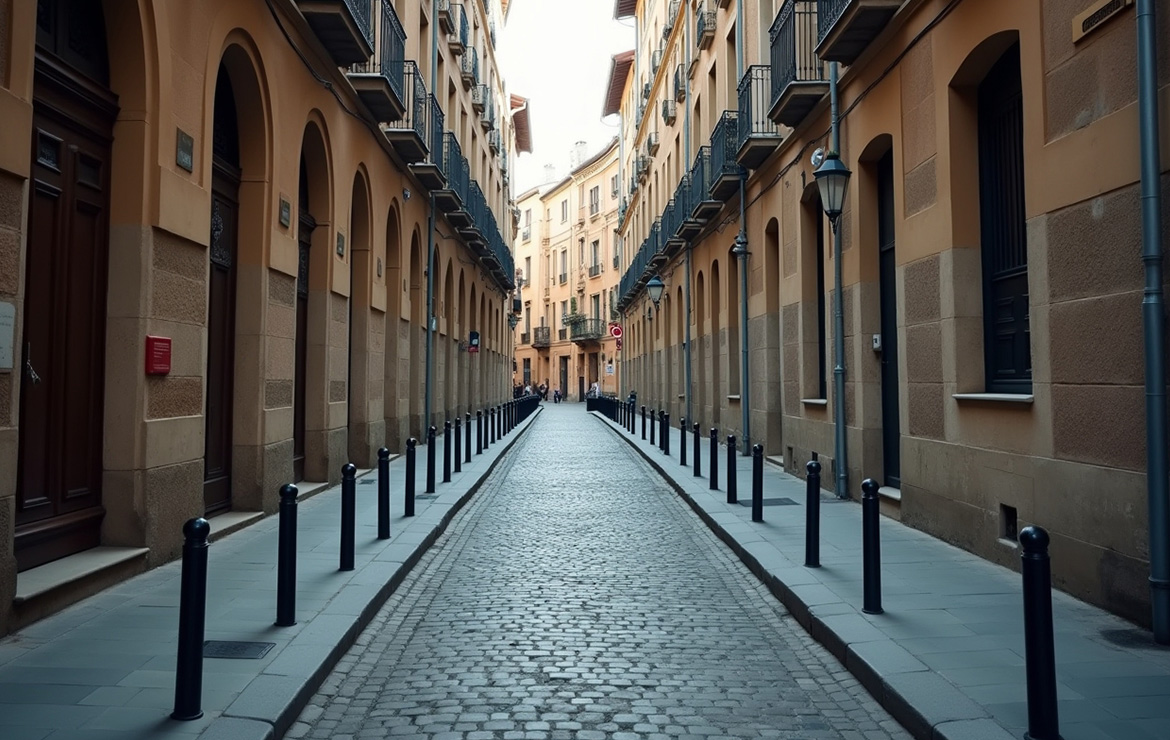
Historical cities are the jewels of global tourism. From the narrow cobblestone alleys of Rome to the winding streets of Istanbul's peninsula, these areas hold centuries of history. However, they were built for horses and pedestrians, not for modern traffic.
This creates a major dilemma for city planners. How do you provide modern public transport without destroying the ancient infrastructure? The answer lies in the compact electric bus. These agile vehicles are rapidly becoming the preferred choice for historic centers worldwide. They offer the perfect balance between mobility, preservation, and sustainable tourism transport.
The Geometry Problem: When Big Buses Don't Fit
The most obvious reason for the popularity of compact shuttles is simple geometry. A standard 12-meter city bus requires a wide turning radius. In a medieval town center, such a bus is a liability. It gets stuck on sharp corners. It blocks entire intersections. It poses a safety risk to pedestrians in shared spaces.
For decades, operators tried to force large diesel buses into these spaces. The result was traffic jams and damaged street corners.
The 6-Meter Solution: Karsan e-JEST
The Karsan e-JEST solves this physical constraint effectively. At just 6 meters long, it has the footprint of a large van but the capacity and durability of a bus. It can turn in tight spaces where other public transport vehicles cannot go. This allows the transport network to penetrate deep into the "Old Town" districts, picking up tourists and residents right from their doorsteps.
The 8-Meter Bridge: Karsan e-ATAK
For routes that have slightly more space but still cannot handle full-size buses, the Karsan e-ATAK (8 meters) is the ideal compromise. It offers higher passenger capacity for busy tourist corridors while maintaining a compact profile. This flexibility allows operators to tailor the vehicle size to the specific street width of each historical zone.
Protecting the Physical Structure of Heritage Sites
Beyond the issue of size, there is the issue of structural damage. Historical buildings, often built with limestone or brick, are sensitive to vibration. Heavy diesel engines produce low-frequency vibrations that travel through the ground. Over years, this constant shaking can crack foundations and loosen ancient mortar.
Zero-emission public transport offers a structural safeguard. Electric motors are incredibly smooth. They produce almost no vibration compared to a combustion engine. Running a fleet of electric shuttles acts as a preservation strategy. It allows the city to offer transport services without physically degrading the monuments that tourists come to see.
Improving the Atmospheric Experience
The atmosphere of a historic center is delicate. It is defined by the sounds of cafe conversations, church bells, or the wind. A roaring diesel engine destroys this ambiance instantly.
Quiet public transport restores the acoustic integrity of these areas. An electric shuttle glides silently over the cobblestones. This silence is a luxury. It allows tour guides to speak to their groups without shouting. It allows visitors to immerse themselves in the history.
Furthermore, the elimination of exhaust fumes is critical. Diesel soot turns marble statues black and erodes stone facades. Cleaning these monuments costs municipalities millions. Switching to electric buses reduces this maintenance cost and keeps the city looking pristine.
Accessibility for All Travelers
Historic centers are often difficult to navigate for people with limited mobility. Uneven pavement and steep hills are challenging for elderly tourists or parents with strollers.
Compact electric shuttles provide a vital service here. Models like the Karsan e-JEST are low-floor and accessible. They serve as a lifeline, allowing all visitors to enjoy the cultural heritage regardless of their physical ability. This inclusivity is a key part of modern city branding.
Conclusion: The Right Tool for the Job
You would not use a sledgehammer to repair a watch. Similarly, you should not use a giant diesel bus to serve a fragile historic district.
The rise of the compact electric bus in tourism capitals is a sign of maturation in urban planning. It shows that cities are prioritizing quality over quantity. They are choosing vehicles that respect the environment.
The Karsan e-JEST and e-ATAK are at the forefront of this trend. They prove that you can have efficient, modern transport without compromising the past. For historic city centers, going small is the only way to think big.