-
23 February 2023Karsan Hydrogen Fuel Cell Bus e-ATA Hydrogen
-
17 July 2024Small City Buses: The Eco-Friendly Choice for Urban Commutes
-
23 September 2024Different Bus Sizes in Urban Transportation
-
02 October 2024What is a Shuttle Bus? How is it Used in Urban Transportation?
-
21 September 2026What Is Transit-Oriented Development (TOD)?
-
14 September 2026What Makes a Bus Truly Autonomous? The Sensors and Systems Behind Karsan's e-JEST
-
07 September 2026Measuring Sustainability in Public Transport: Which KPIs Matter Most?
-
28 August 2026Karsan × Toyota: Building the Hydrogen Bus of the Future
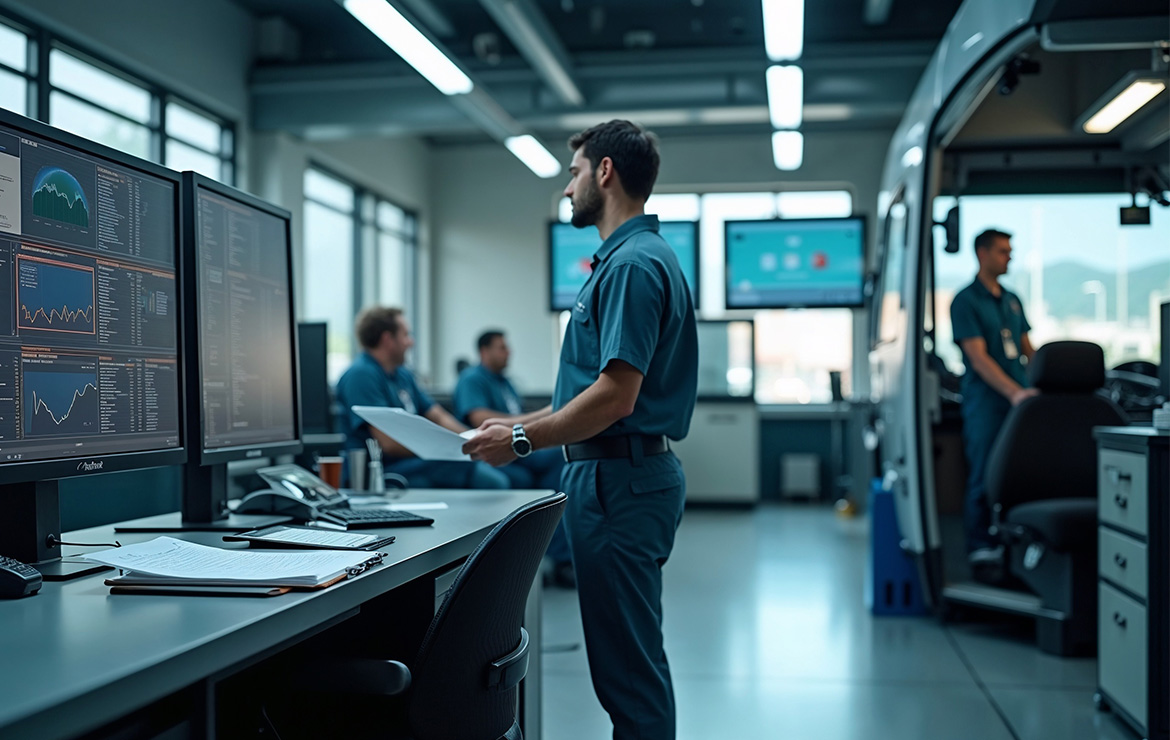
Transforming a public transport fleet is often discussed in terms of environmental impact. We talk about carbon footprints and clean air. However, there is another group that benefits directly from the switch to an electric city bus fleet: the municipal employees.
The people who drive, repair, and schedule these vehicles face high levels of stress. Aging diesel fleets cause frequent breakdowns. They create noise and vibration. They require messy, labor-intensive maintenance. Shifting to models like the Karsan e-JEST and e-ATAK changes the daily reality of the workforce. It creates a cleaner, quieter, and more predictable working environment.
The Driver’s Perspective: A Stress-Free Office
For a bus driver, the vehicle is their office. They spend eight hours a day sitting behind the wheel. In a traditional diesel bus, this means eight hours of constant vibration from the engine. It means shouting to speak to passengers. It means dealing with a heavy transmission in stop-and-go traffic.
Reducing Physical Fatigue
Driving an electric bus significantly reduces physical strain. The electric motor provides a smooth ride with zero vibration. The silence in the cabin lowers stress levels. Drivers report feeling less tired at the end of a shift.
Ease of Use in Traffic
Regenerative braking is a game-changer for drivers. When the driver lifts their foot off the accelerator, the bus slows down automatically to recharge the battery. This reduces the need to constantly switch between the brake and gas pedals.
The Karsan e-JEST and Karsan e-ATAK are designed with driver ergonomics in mind. Their high torque allows for quick, safe maneuvering in city traffic. This makes the driver's job easier, especially on steep hills or busy intersections.
The Technician’s Perspective: Cleaner Workshops, Less Maintenance
The maintenance team often faces the heaviest workload. Diesel engines are complex. They have thousands of moving parts. They leak oil. Their filters clog. Their transmissions fail. Keeping an old diesel fleet running requires constant, dirty, physical labor.
Fewer Moving Parts, Fewer Failures
An electric city bus is mechanically simpler. It has no pistons, spark plugs, or timing belts. It does not require oil changes. There is no exhaust system to rust or clog with soot.
For the technician, this means the nature of the job changes. The work becomes cleaner. Instead of spending hours under a greasy engine block, the focus shifts to preventive checks and software diagnostics.
Higher Fleet Availability
Reliability is key for the workshop manager. When a bus breaks down, it disrupts the schedule. Electric motors are far less likely to suffer from catastrophic mechanical failures compared to internal combustion engines. This means the vehicles spend more time on the road and less time on the lift. This reliability improves the fleet efficiency statistics of the entire department.
The Planner’s Perspective: Predictability and Control
The operations manager or route planner needs data. They need to know that the bus will complete its route. With diesel buses, fuel consumption can vary wildly based on traffic or driver behavior. Fuel theft is also a common operational risk.
Mastering Range and Energy
Modern electric buses offer precise control. Planners can monitor energy consumption in real-time. The Karsan e-JEST and e-ATAK are equipped with proven BMW batteries. This technology provides consistent performance.
Range anxiety is no longer a major issue for city operations. Planners know exactly how many kilometers the bus can travel. They can schedule charging times during driver breaks or at night. This eliminates the unpredictability of daily operations.
Financial Efficiency Beyond Fuel
Operational simplicity leads to financial savings. It is not just about the cost of electricity versus diesel. It is about the cost of labor and parts.
-
Brake Wear: Regenerative braking saves the physical brake pads. They last much longer than on diesel buses.
-
Fluid Changes: Eliminating engine oil and transmission fluid changes saves money on consumables and hazardous waste disposal.
-
Engine Overhauls: Electric motors do not need the expensive mid-life engine rebuilds that diesel buses require.
Conclusion: A Human-Centric Technology
Adopting an electric city bus fleet is a technological upgrade. But more importantly, it is an upgrade for the human workforce.
Happy drivers drive more safely. Relaxed technicians work more efficiently. Confident planners manage resources better. Vehicles like the Karsan e-JEST and e-ATAK support the municipal team at every level. They turn the challenge of public transport into a smoother, cleaner, and more logical workflow.