-
23 February 2023Karsan Hydrogen Fuel Cell Bus e-ATA Hydrogen
-
17 July 2024Small City Buses: The Eco-Friendly Choice for Urban Commutes
-
23 September 2024Different Bus Sizes in Urban Transportation
-
02 October 2024What is a Shuttle Bus? How is it Used in Urban Transportation?
-
21 September 2026What Is Transit-Oriented Development (TOD)?
-
14 September 2026What Makes a Bus Truly Autonomous? The Sensors and Systems Behind Karsan's e-JEST
-
07 September 2026Measuring Sustainability in Public Transport: Which KPIs Matter Most?
-
28 August 2026Karsan × Toyota: Building the Hydrogen Bus of the Future
The New Paradigm in Fleet Economics
Transport is rapidly transitioning to electric. Many fleet operators remain hesitant due to the initial purchase price of electric trucks. However, the true cost of owning a vehicle is very different from its purchase price.
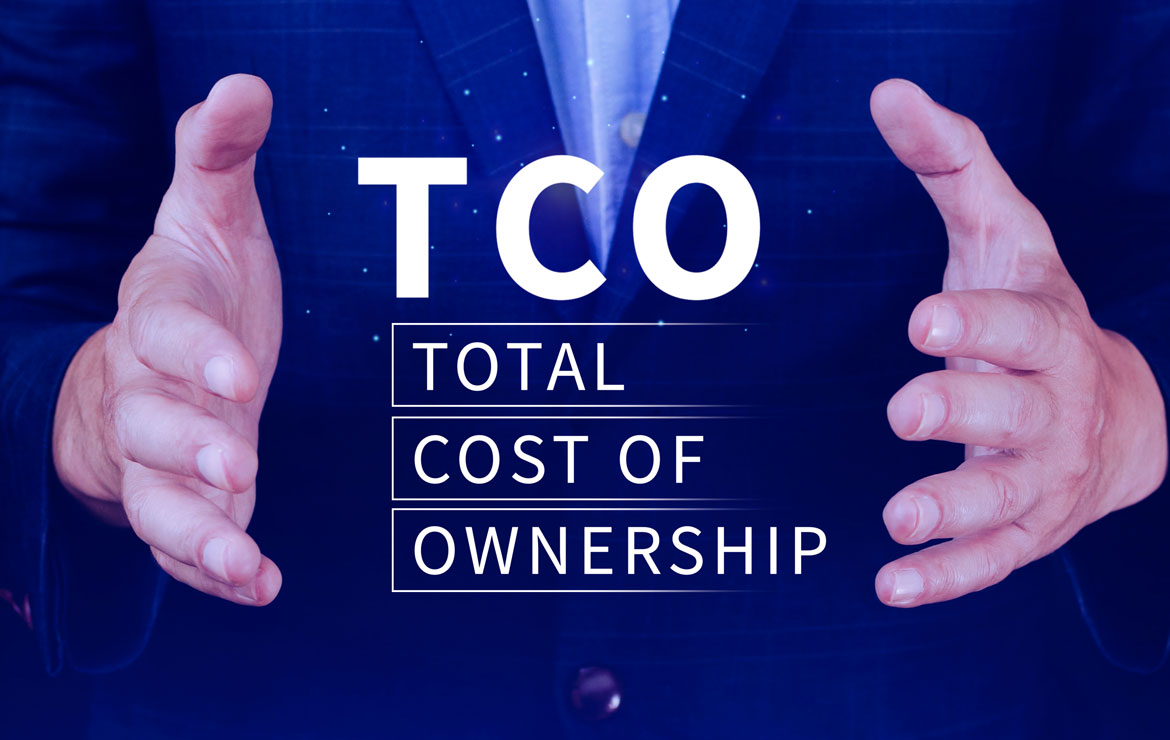
Total Cost of Ownership (TCO) provides a full picture of fleet economics across the entire lifecycle — including purchase, fuel/energy, maintenance, taxes, insurance, and resale value.
When these factors are accounted for, the argument that diesel remains cheaper collapses.
Electric Vehicles Provide Lower Operating Costs Beyond the Purchase Price
Fleet managers who focus solely on upfront cost miss the most important metric:
operational efficiency over time.
EVs consistently outperform diesel in:
1. Energy Stability
Electricity prices are significantly more stable than oil markets, protecting fleets from volatile global fuel disruptions.
2. Maintenance Simplicity
EVs have fewer moving parts, no oil changes, and use regenerative braking. This results in far less downtime than ICE vehicles.
3. Tax & Policy Benefits
Incentives, reduced registration fees, and priority in low-emission zones translate into meaningful savings for operators.
4. Residual Value Resilience
As regulations phase out diesel, demand for used ICE vehicles declines, while zero-emission vehicles retain higher residual value.
The result:
Significantly lower lifecycle cost, higher uptime, and a fleet that generates more revenue with fewer interruptions.
Cost Center to Profit Lever
Historically, fuel and maintenance were the two largest cost drivers in fleet operations.
Electric propulsion has reversed this equation.
Switching from diesel to electric enables:
- Up to 70% fuel cost reduction
- At least 50% maintenance cost reduction
- Higher vehicle uptime due to fewer breakdowns and simplified systems
Together, these create a compelling financial argument supporting EV adoption.
Why Your CFO Already Prefers Electric
CFOs care about one thing: financial performance.
Electric vs. diesel — the financial data is clear:
- Lower operating costs = more predictable cash flow
- Reduced exposure to carbon pricing = lower long-term risk
- Higher residual value = increased ROI
- Government incentives = accelerated payback period
In most European markets, fully electric LCVs and passenger vehicles already have the lowest cost per kilometer. As battery technology improves and charging networks expand, this cost gap will only widen.
TCO is no longer a mathematical exercise —
it’s a strategic business advantage.
A Karsan Approach — Efficiency Meets Sustainability
At Karsan, vehicles are designed with maximum total-life efficiency:
- Lower energy consumption
- Longer-lasting components
- Fewer maintenance requirements
Whether for urban, suburban, or intercity applications, every Karsan electric or hydrogen platform is engineered for the same goal:
sustainable transportation that pays for itself.
Because sustainability without economic benefit is not a real solution.
Karsan’s mission is to deliver clean transport options that are practical, affordable, and profitable — benefiting operators, cities, and the environment.
Takeaway
Upfront costs matter for purchasing managers.
TCO matters for executive leadership.
When evaluated through a TCO lens, the conclusion is inevitable:
Electric vehicles reduce cost, increase uptime, and protect fleets from future regulation and fuel volatility.
The real question is no longer:
“Can we afford to go electric?”
but rather:
“How long can we afford not to?”