-
23 February 2023Karsan Hydrogen Fuel Cell Bus e-ATA Hydrogen
-
17 July 2024Small City Buses: The Eco-Friendly Choice for Urban Commutes
-
23 September 2024Different Bus Sizes in Urban Transportation
-
02 October 2024What is a Shuttle Bus? How is it Used in Urban Transportation?
-
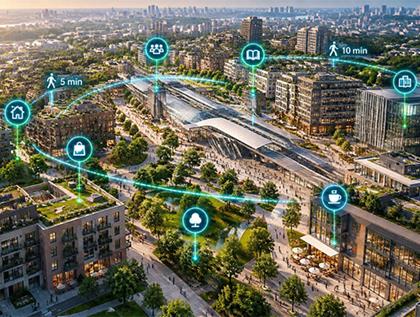
21 September 2026What Is Transit-Oriented Development (TOD)?
-
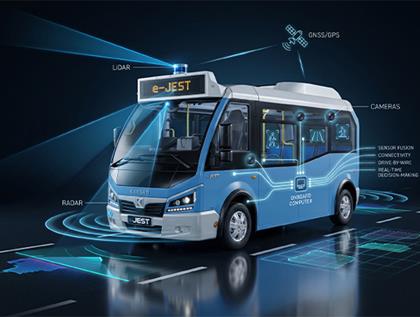
14 September 2026What Makes a Bus Truly Autonomous? The Sensors and Systems Behind Karsan's e-JEST
-
07 September 2026Measuring Sustainability in Public Transport: Which KPIs Matter Most?
-
28 August 2026Karsan × Toyota: Building the Hydrogen Bus of the Future
Global Trends in Electric Public Transportation 2025–2030
Electric public transportation is no longer a vision of the future — it’s happening now. Between 2025 and 2030, the sector will undergo its most significant transformation yet, fueled by climate goals, government policies, and rapid advances in technology. From buses and vans to heavy-duty trucks and two-/three-wheelers, electrification is reshaping how the world moves.
In this article, we’ll explore the key global trends shaping electric mobility over the next five years, including market growth, infrastructure developments, technology shifts, and the challenges that lie ahead.
A Growing Global Market
The global electric vehicle (EV) fleet is expected to reach 250 million by 2030 — nearly four times the stock in 2024. Public transportation will play a major role in this growth:
-
Passenger cars and vans: By 2030, almost 40% of new sales will be electric.
-
Buses: Adoption is slower, but still expected to reach 20% of sales and around 10% of the total fleet by 2030.
-
Trucks (HDVs): Electrification will gain traction, hitting 13% of sales globally, though stock remains modest at ~3%.
-
Two-/three-wheelers: Already highly electrified, with 170 million on the road by 2030.
Regional momentum varies:
-
Europe is on track for 55–60% EV sales under strong CO₂ standards.
-
The U.S. is slowing down, with projections at only 20% sales share by 2030 due to shifting policies.
-
India & Southeast Asia are seeing the fastest growth in buses and scooters, while Latin America focuses heavily on electric bus deployment.
Charging Infrastructure Takes Center Stage
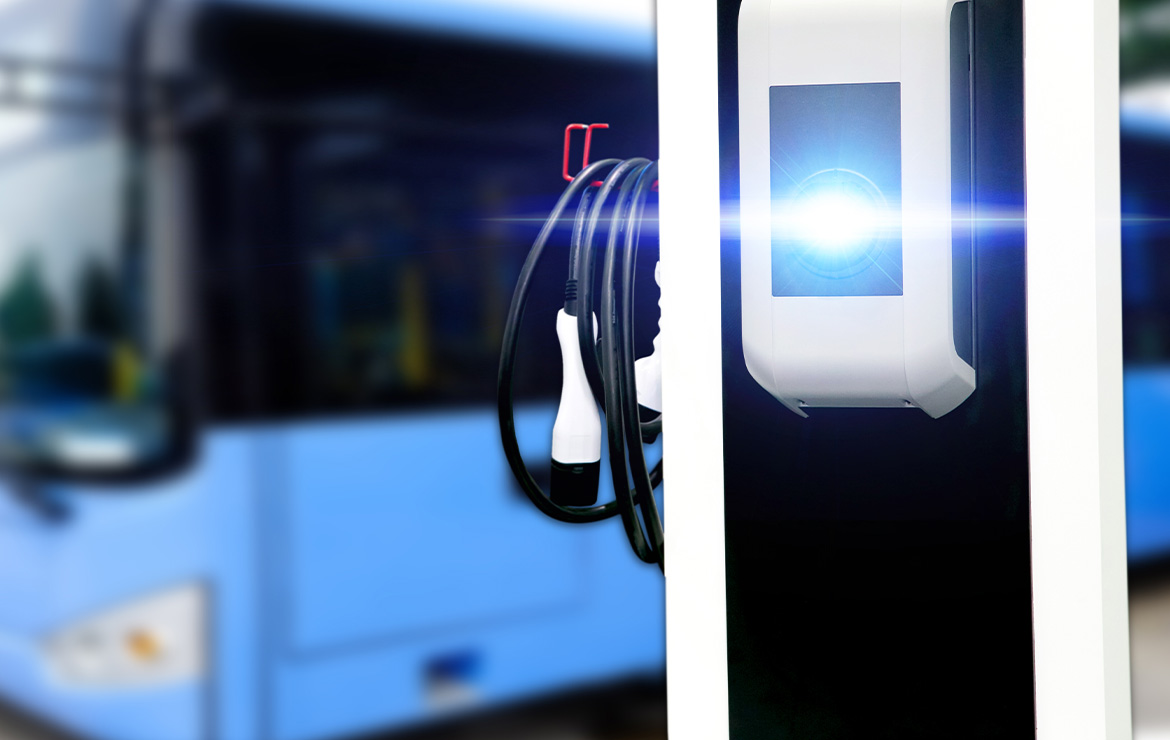
A strong charging network is the backbone of electrified transport. Between now and 2030, the world will see unprecedented investment in public and depot charging:
-
In Europe, more than €15 billion will be invested in heavy-duty vehicle (HDV) charging.
-
Megawatt Charging Systems (MCS) will enable ultra-fast charging for trucks, reducing downtime and making long-haul electrification possible. The first MCS corridor, connecting Antwerp to Stockholm, is set to open by the end of 2025.
-
Balanced charging strategies are emerging — depot charging for fleets, combined with public corridor charging to ensure scalability.
-
Digital tools such as real-time booking, route planning, and predictive analytics will streamline fleet operations and minimize charging delays.
Technology and Innovation
Technology is moving fast to support the electrification wave:
-
Batteries: Breakthroughs in solid-state and lithium-iron phosphate (LFP) are cutting costs and boosting efficiency.
-
Autonomous vehicles: Gradually entering the mix, from delivery vans to long-haul freight and city buses.
-
Mobility as a Service (MaaS): By 2030, the MaaS market could hit USD 300 billion, integrating EVs and public transport into seamless, app-based platforms.
-
Smart logistics: Digital twins, IoT sensors, and AI-driven predictive maintenance will enhance reliability and cut operating costs.
Sustainability and Climate Goals
Transportation accounts for more than one-third of global CO₂ emissions. To stay on track with international climate targets, emissions must fall 25% by 2030, requiring major changes in how we move.
-
Electrification of public fleets (buses, vans, taxis) is one of the fastest ways to lower urban emissions.
-
Battery recycling and second-life use will become critical to reduce supply chain pressure and build a circular economy.
-
Governments are backing the shift with initiatives such as congestion charges, subsidies, and international collaborations like the Accelerating to Zero coalition.
Workforce and Industry Transformation
The shift to electrification also affects people and businesses:
-
The trucking sector faces a massive labor shortage, with 40% of U.S. drivers expected to retire within a decade.
-
Automation and autonomous trucks will help fill gaps, but retraining and workforce diversity initiatives are equally vital.
-
Traditional automakers in Europe and the U.S. are scaling back ambitious EV targets, while Chinese manufacturers surge ahead, increasing global competition.
Regional Highlights
-
China: Nearly 80% of buses and 30% of trucks could be electric by 2030.
-
Europe: Strong focus on HDV charging hubs and zero-emission logistics corridors.
-
United States: Policy uncertainty slows adoption, with EVs at just ~20% of sales by 2030.
-
India: Major progress in electric buses and two-/three-wheelers, with car adoption growing steadily.
-
Southeast Asia: EV cars at 25% of sales and electric scooters at 30% by 2030.
-
Latin America: Electric bus fleets scaling quickly in cities like Bogotá, Santiago, and São Paulo.
Challenges to Watch
Despite strong momentum, challenges remain:
-
Grid capacity upgrades are urgently needed to support megawatt-scale charging.
-
High upfront costs for vehicles and charging hubs could slow adoption without subsidies or financing schemes.
-
Trade tensions and tariffs may push battery costs higher, despite recent price declines.
-
Economic risks, such as lower GDP growth or oil price volatility, could impact EV demand.
The Decade of Clean Mobility
From 2025 to 2030, electric public transportation will transform from early adoption to mass deployment. Cities worldwide will see cleaner buses, smarter logistics networks, electrified last-mile solutions, and robust charging infrastructure emerge as the new normal.
The journey won’t be without challenges — but with coordinated investment, supportive policy, and continuous innovation, the electrification of public transportation will become one of the defining achievements of this decade.
The future of mobility is electric, digital, and sustainable — and it’s arriving faster than ever.