-
23 February 2023Karsan Hydrogen Fuel Cell Bus e-ATA Hydrogen
-
17 July 2024Small City Buses: The Eco-Friendly Choice for Urban Commutes
-
23 September 2024Different Bus Sizes in Urban Transportation
-
02 October 2024What is a Shuttle Bus? How is it Used in Urban Transportation?
-
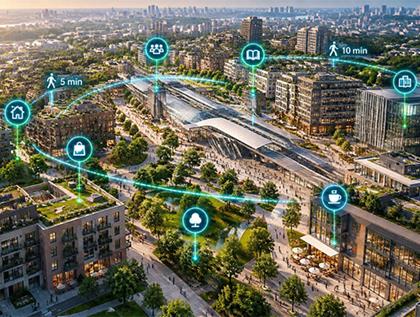
21 September 2026What Is Transit-Oriented Development (TOD)?
-
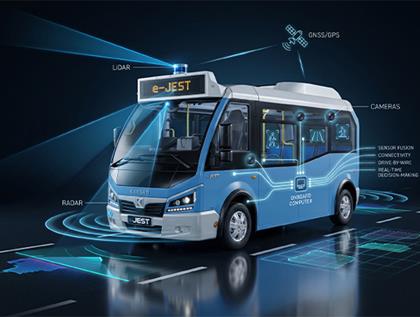
14 September 2026What Makes a Bus Truly Autonomous? The Sensors and Systems Behind Karsan's e-JEST
-
07 September 2026Measuring Sustainability in Public Transport: Which KPIs Matter Most?
-
28 August 2026Karsan × Toyota: Building the Hydrogen Bus of the Future
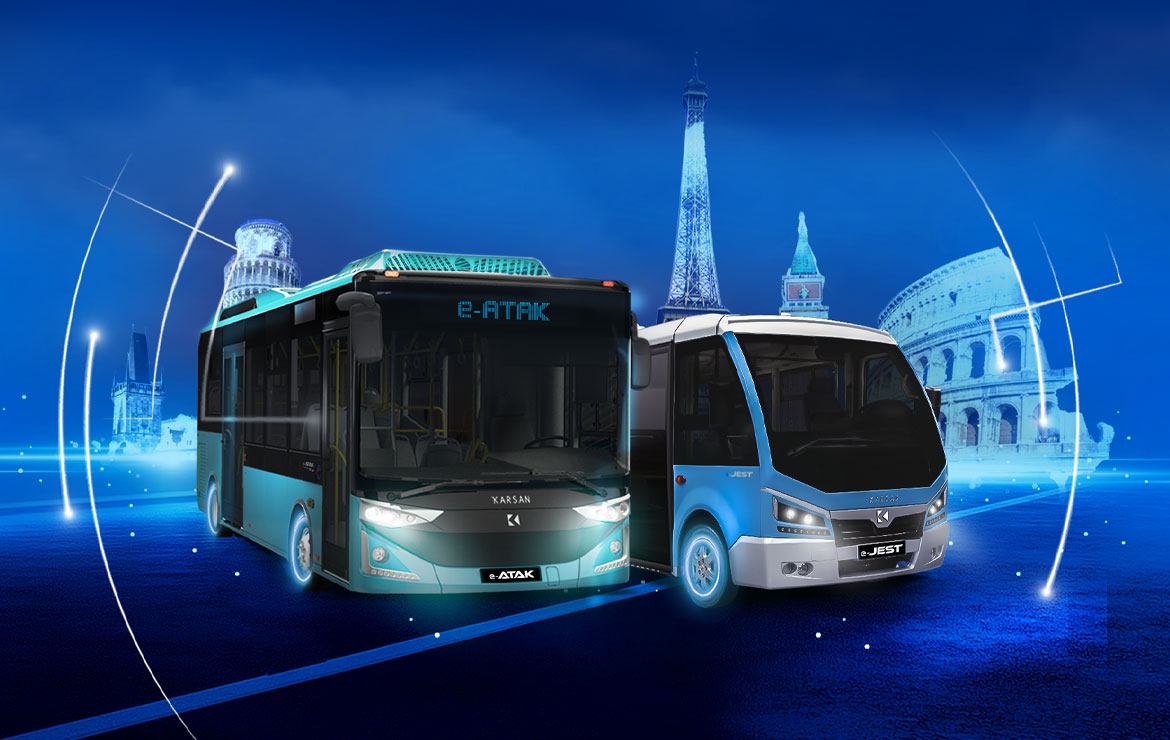
Success in Motion: How Europe’s Top Municipalities (Like Luxembourg, Florence & Paris) Transformed Their Inner-City Transport with Karsan
Rewriting the story of mobility — and placing Karsan at the heart of it — Europe’s cities are quietly transforming.
Luxembourg’s leafy boulevards, Florence’s medieval backstreets, and Paris’ historic arrondissements are now echoing with the near-silent hum of Karsan’s e-JEST and e-ATAK electric buses, replacing the rattle of diesel engines.
Transforming Urban Mobility
Europe’s zero-emission push is more than a climate milestone — it’s an urban revival.
Dense pedestrian streets, narrow corridors, sharp turns, and protected historical districts make traditional 12-meter diesel buses impractical. This is exactly where Karsan found its niche.
Karsan engineered two ultra-compact electric buses — e-JEST (6m) and e-ATAK (8m) — designed to:
-
Navigate tight turns
-
Handle steep inclines
-
Operate in old-town districts
-
Reduce noise and emissions to near zero
Cities now gain modern public mobility without compromising historic charm or air quality.
Luxembourg — A Small Country with Big Ambitions
Luxembourg became the first country in Europe to make public transport fully free — but it wanted its fleet to be clean as well.
Karsan provided the answer: the e-ATAK, an agile 8-meter electric bus ideal for medium-capacity routes.
Today, Karsan buses:
-
Connect neighborhoods with major rail hubs
-
Serve commercial districts
-
Operate 300+ km on a single charge, supported by fast charging
For a nation aiming to eliminate fossil-fuel vehicles by 2030, Karsan’s electric models are not just transport — they are progress in motion.
Florence — Historic Streets, Modern Solution
Florence’s UNESCO-protected streets create one of Europe’s toughest mobility challenges.
Narrow alleys, stone lanes, and ancient infrastructure leave little room for large buses.
Karsan’s e-JEST — a 6-meter compact electric minibus — became the perfect fit.
Its features:
-
Extremely tight turning radius
-
Whisper-quiet operation
-
Easy maneuvering inside medieval districts
Residents immediately noticed lower pollution and reduced noise.
For a centuries-old city, Karsan delivered a modern solution that respects heritage.
Paris — The City of Light Goes Green
Few cities face more pressure to decarbonize than Paris, long challenged by congestion and smog alerts. The city has pledged to ban diesel by 2030.
Karsan’s e-JEST and e-ATAK were tested on routes in Montmartre and the Latin Quarter, where traditional buses cannot maneuver.
The feedback:
-
Passengers loved the comfort and quietness
-
Operators valued reliability and low operating cost
-
Range and performance were praised in high-density conditions
Today, Karsan’s presence in France continues to expand as more municipalities replace aging diesel fleets.
What Makes Karsan Different?
Karsan’s philosophy goes beyond manufacturing —
it builds buses that fit cities, not cities that fit buses.
Core strengths:
-
Zero tailpipe emissions — enabling compliance with EU air quality laws
-
Lower TCO due to efficient powertrains and fewer mechanical parts
-
Compact, historic-city-friendly designs
-
Exceptionally low noise levels
-
High uptime through reliable electric architecture
Karsan’s models deliver mobility that is smart, quiet, and city-conscious.
The Future Will Roll Quietly
Every year, more European municipalities commit to carbon neutrality.
Karsan’s expanding network — from Germany to Italy, Portugal to Romania — demonstrates that electric mobility is viable far beyond mega-cities.
Wherever e-JEST and e-ATAK operate, they carry the same message:
-
Cleaner air
-
Quieter streets
-
A public transport system citizens want to use
That is what success in motion truly means — buses that make cities feel like home again.
FAQS
Why are Karsan’s e-JEST and e-ATAK so popular in Europe?
Their compact size and full-electric architecture make them ideal for Europe’s narrow streets and historic districts.
How far can Karsan’s electric buses travel?
-
e-ATAK: 300+ km
-
e-JEST: ~210 km
Which European cities operate Karsan electric buses?
Luxembourg, Florence, Paris, Lisbon, Bologna — and dozens more.
What is Karsan’s future in Europe?
Expanding hydrogen and next-gen BEV solutions aligned with cities’ net-zero strategies.