-
23 February 2023Karsan Hydrogen Fuel Cell Bus e-ATA Hydrogen
-
17 July 2024Small City Buses: The Eco-Friendly Choice for Urban Commutes
-
23 September 2024Different Bus Sizes in Urban Transportation
-
02 October 2024What is a Shuttle Bus? How is it Used in Urban Transportation?
-
21 September 2026What Is Transit-Oriented Development (TOD)?
-
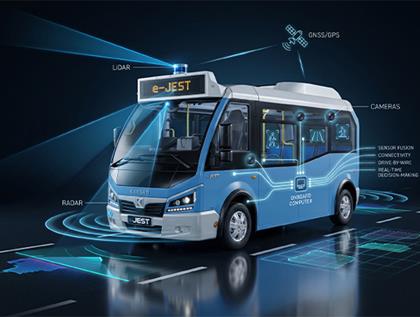
14 September 2026What Makes a Bus Truly Autonomous? The Sensors and Systems Behind Karsan's e-JEST
-
07 September 2026Measuring Sustainability in Public Transport: Which KPIs Matter Most?
-
28 August 2026Karsan × Toyota: Building the Hydrogen Bus of the Future

An increasingly globalized environment has created an urgent need for the development of safe, effective and economical modes of transportation. The design of vehicles can greatly affect the safety, comfort, efficiency, and economic viability of a particular type of transportation. Right-hand drive (RHD) minibuses and buses, although primarily related to countries that drive on the left side of the road, have a number of benefits that go far beyond mere compliance with local traffic laws.
RHD minibuses and buses were manufactured to meet the requirements of each region, thereby creating an opportunity to enhance safety, comfort for the driver, and overall operational efficiency. The versatility of RHD minibuses and buses enables them to successfully navigate a wide variety of landscapes, climates, and traffic patterns. RHD minibuses and buses serve many roles in society, including: public transportation, transporting children to and from schools, and tourist travel. For this reason, RHD minibuses and buses are a major part of the transportation systems in many regions.
The purpose of this complete and thorough Guide is to cover all aspects of RHD minibuses and buses. This includes the features of RHD minibuses and buses, the benefits of RHD minibuses and buses compared to left-hand drive vehicles, and the contributions of RHD minibuses and buses to contemporary urban planning. The Guide will also include important considerations to take into account when selecting RHD vehicles for your fleet and the emerging trends affecting the sector of the automotive industry that deals with RHD minibuses and buses.
Come along with us as we explore the world of RHD minibuses and buses, and find out why they are the preferred mode of transportation for transport operators in so many regions. If you are a fleet manager, a city planner, or simply someone who wants to understand the details of vehicle design, this Guide will be a valuable resource of information about the benefits and uses of RHD minibuses and buses.
What is a Right-Hand Drive Minibus or Bus?
Right-hand drive (RHD) minibuses and buses are specialized vehicles made for operation in countries that are accustomed to driving on the left-hand side of the road. They are produced with a variety of characteristics that reflect the special needs of RHD driving environments, such as: enhanced safety, comfort for the driver, and improved operational efficiency. RHD minibuses and buses are employed in a number of fields, such as: public transportation, school commutes, and private tour operations. Here’s a quick summary of the features of RHD minibuses and buses and the countries where RHD vehicles are most commonly found:
Key Features of RHD Minibuses and Buses
- Improved Driver Vision: RHD vehicles give drivers greater vision and control in countries with left-hand traffic lanes.
- Safety Optimizations: Created with specific safety features to match the conditions of regional driving.
- Convenience and Accessibility: Designed for maximum comfort and convenient access to passengers, especially in urban settings.
Countries Where RHD Vehicles Are Most Common
- United Kingdom
- Australia
- Japan
- India
- South Africa
- New Zealand
- Malaysia
- Thailand
These countries have the well-developed infrastructure and regulatory frameworks to support the use of RHD vehicles. Learning about the benefits and applications of RHD minibuses and buses in these regions can be beneficial for transport operators and city planners around the globe.
The Benefits of Right-Hand Drive Minibuses and Buses
Right-hand drive (RHD) minibuses and buses offer a range of benefits that make them a popular selection for transport operators in many regions. Some of the main benefits are listed below:
Enhanced Safety
- Improved Driver Vision: In countries where driving on the left-hand side of the road is customary, RHD vehicles enable the driver to view the road ahead clearly, thus enhancing overall safety.
- Traffic Route Optimization: RHD vehicles are able to navigate traffic patterns and route configurations in these regions much more effectively, and therefore improve the flow of traffic.
Increased Comfort and Efficiency
- Driver Comfort: RHD minibuses and buses are designed to maximize the comfort of the driver, with controls and instruments strategically positioned for ease of use.
- Passenger Amenities: Many of these vehicles have amenities like: air conditioning, comfortable seating, and easy entry/exit options to enhance the passenger experience.
Economic Advantages
- Lower Operating Costs: RHD minibuses and buses are frequently less expensive to run in regions where they are common, because it is easier to obtain replacement parts, service providers, and comply with local regulations.
- Adaptability to Local Market Needs: Transport operators that utilize vehicles that are designed for the local market are able to meet the needs of their clients and respond to the preferences of their local customers.
The Role of Right-Hand Drive Vehicles in Urban Planning
Right-hand drive (RHD) minibuses and buses play a significant role in urban planning, particularly in countries where left-hand driving is the custom. Their design and operational attributes create opportunities for right-hand drive vehicles to be a fundamental element of efficient and sustainable urban transportation systems. Here’s how RHD vehicles can contribute to urban planning:
Enhancing Public Transit Systems
- Comprehensive Route Coverage: RHD minibuses and buses can traverse narrow roads and congested neighborhood streets that larger vehicles cannot, providing a wider coverage area for public transportation.
- Flexibility of Routes: RHD minibuses and buses can be easily redirected to respond to changes in traffic patterns, fluctuations in seasonal demand, and one-time special events to allow for an efficient and adaptive public transit system.
Supporting Sustainable Urban Growth
- Environmental Advantages: Many RHD minibuses and buses are fitted with environmentally friendly technologies such as hybrid or electric motors, resulting in lower emissions and greater sustainability.
- Decreasing Traffic Congestion: RHD minibuses and buses provide an environmentally responsible alternative to personal vehicle use, decreasing the amount of cars on the road and contributing to a reduction in traffic congestion and increased urban mobility.
Improving Accessibility and Inclusion
- Transporting Residents to Remote Neighborhoods: RHD minibuses and buses can provide residents with limited access to traditional transit routes with greater access to public transportation, thereby improving accessibility for all residents and increasing social equality.
- Facilitating Mobility for All: These vehicles are equipped with features such as lowered floors and wheelchair lifts to increase accessibility for elderly residents and individuals with physical limitations.
Right-hand drive minibuses and buses form an integral part of the transportation systems in many countries where the use of left-hand driving is the standard. Right-hand drive minibuses and buses present numerous advantages that include increased safety, improved driver comfort and convenience, reduced operating costs, environmental benefits, and enhanced accessibility and inclusiveness. Their ability to navigate crowded urban corridors and provide flexibility in their routing capabilities make them a valuable asset to urban planners and the managers of public transportation systems.
Through understanding the advantages of RHD minibuses and buses, transport operators and urban planners can make informed decisions to increase the effectiveness and sustainability of their transit systems. RHD minibuses and buses do not only address the specific needs of their respective regions, they also contribute to a more accessible and equitable transportation network that meets the needs of diverse populations and promotes social inclusion.
Looking to the future, the role of right-hand drive vehicles in urban mobility will evolve as new technologies emerge and the need for environmentally sustainable transportation grows. The expansion of the production of hybrid and electric RHD minibuses and buses will result in reduced emissions and contribute to the creation of greener urban environments.
To conclude, right-hand drive minibuses and buses represent more than simply a means of complying with left-hand traffic driving regulations; they are a progressive solution that responds to the complex problems facing modern urban transportation systems. By embracing RHD minibuses and buses, both the safety and efficiency of public transportation systems will be improved, while paving the way for sustainable and inclusive urban development. It is now time to realize the full potential