-
23 February 2023Karsan Hydrogen Fuel Cell Bus e-ATA Hydrogen
-
17 July 2024Small City Buses: The Eco-Friendly Choice for Urban Commutes
-
23 September 2024Different Bus Sizes in Urban Transportation
-
02 October 2024What is a Shuttle Bus? How is it Used in Urban Transportation?
-
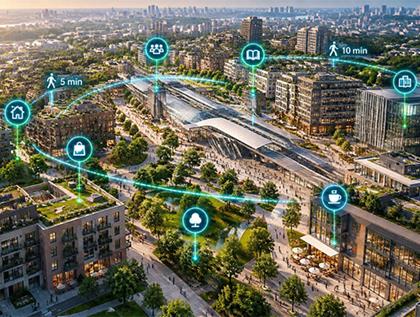
21 September 2026What Is Transit-Oriented Development (TOD)?
-
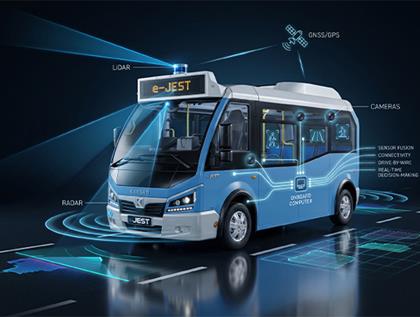
14 September 2026What Makes a Bus Truly Autonomous? The Sensors and Systems Behind Karsan's e-JEST
-
07 September 2026Measuring Sustainability in Public Transport: Which KPIs Matter Most?
-
28 August 2026Karsan × Toyota: Building the Hydrogen Bus of the Future
Powering a Zero-Emission World
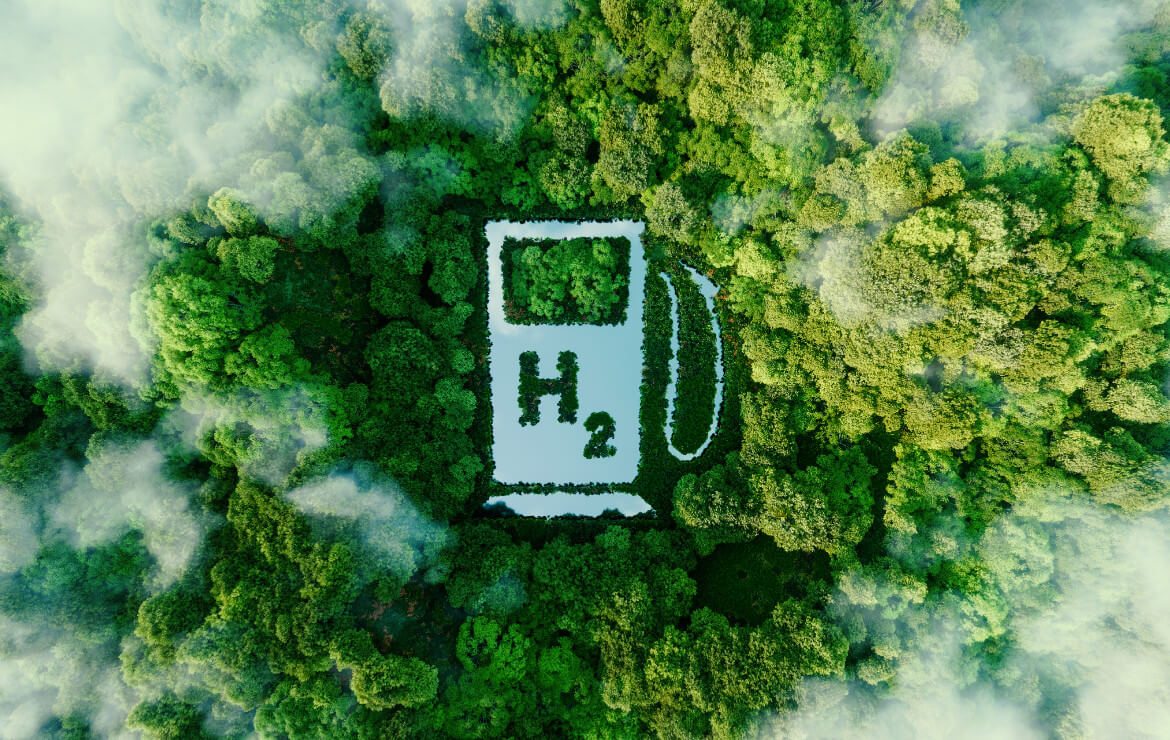
When we talk about the future of clean energy, electric vehicles often dominate the headlines. But there’s another contender that could play an equally transformative role: hydrogen. Odorless, non-toxic, and incredibly versatile, hydrogen is emerging as a powerful energy source with the potential to reshape transport, industry, and even the way we store renewable power.
What Makes Hydrogen a Clean Energy Source?
Hydrogen is the most abundant element in the universe, and when used as fuel, it’s about as clean as it gets. In a hydrogen fuel cell, the only by-product is pure water vapor—no carbon dioxide, no harmful pollutants. This makes it a strong candidate for a net-zero emission future, especially in sectors where battery-electric solutions are less practical.
How Hydrogen Fuel Cells Work
Hydrogen fuel cells generate electricity through a chemical reaction:
-
Hydrogen is fed into the fuel cell.
-
Oxygen from the air enters on the other side.
-
The reaction between the two produces electricity to power the motor—plus heat and water as harmless by-products.
From a driver’s perspective, hydrogen-powered vehicles feel familiar: quick acceleration, quiet operation, and refueling times similar to conventional petrol or LPG vehicles.
Advantages of Hydrogen Vehicles
-
⏱ Quick Refueling – Fill up in minutes, just like LPG or petrol.
-
🚗 Long Range – 1 kg of hydrogen stores roughly 33 kWh of energy, enabling ranges comparable to or greater than many petrol cars.
-
🌍 Zero Local Emissions – Only water vapor leaves the tailpipe.
-
🚌 Ideal for Public Transport – Long-distance reliability makes hydrogen perfect for buses, trucks, and trains on routes without dense charging infrastructure.
Hydrogen Beyond Transport: An Energy Storage Solution
Hydrogen’s potential isn’t limited to vehicles. It’s also a powerful tool for storing renewable energy.
Here’s how it works: when solar panels or wind farms generate more electricity than the grid needs, the excess can be used to produce hydrogen via electrolysis. That hydrogen can then be stored for days, weeks, or even months—helping balance supply and demand.
Green vs. Grey Hydrogen
Not all hydrogen is created equal:
-
Green Hydrogen – Produced using renewable energy sources like solar or wind. Truly sustainable, but currently more expensive.
-
Grey Hydrogen – Produced from fossil fuels, usually natural gas, releasing CO₂ in the process. Cheaper, but not climate-friendly.
For hydrogen to live up to its clean-energy promise, scaling green hydrogen production is essential.
Challenges on the Road to Hydrogen Adoption
Hydrogen’s future is bright, but it’s not without hurdles:
-
💸 High Production Costs – Especially for green hydrogen, where renewable-powered electrolysis is still expensive.
-
🏗 Infrastructure Gaps – Hydrogen refueling networks are in early stages, with limited coverage in most countries.
-
🛡 Safety Protocols – Hydrogen requires strict handling and storage standards due to its high flammability.
-
⚡ Clean Energy Dependency – For hydrogen to be truly green, it must be produced with renewable electricity.
Global Investments and Growth
Momentum is building fast:
-
Europe already has 200+ hydrogen refueling stations and plans to surpass 1,000 by 2030.
-
The EU’s hydrogen strategy targets 20 million tons of annual production and imports by 2030.
-
Countries like Japan, South Korea, and Australia are investing heavily in hydrogen-powered public transport and shipping.
These moves signal that hydrogen could soon be a mainstream energy carrier, not just a niche technology.
Hydrogen has the potential to do for clean transport and energy what oil once did for the industrial age—fuel growth, connect economies, and power everyday life. The technology is proven, the benefits are clear, and with the right investments in green production and infrastructure, hydrogen could become one of the pillars of a truly sustainable future.
As a pioneer in zero-emission public transport, KARSAN e-ATA Hydrogen represents a major step forward in this journey, offering sustainable, long-range solutions for cities worldwide.