-
23 February 2023Karsan Hydrogen Fuel Cell Bus e-ATA Hydrogen
-
17 July 2024Small City Buses: The Eco-Friendly Choice for Urban Commutes
-
23 September 2024Different Bus Sizes in Urban Transportation
-
02 October 2024What is a Shuttle Bus? How is it Used in Urban Transportation?
-
21 September 2026What Is Transit-Oriented Development (TOD)?
-
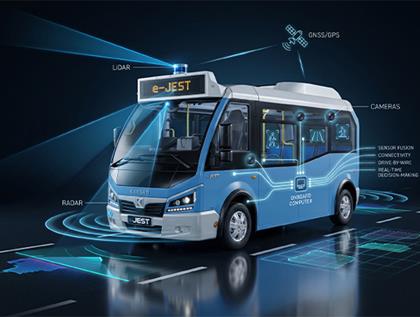
14 September 2026What Makes a Bus Truly Autonomous? The Sensors and Systems Behind Karsan's e-JEST
-
07 September 2026Measuring Sustainability in Public Transport: Which KPIs Matter Most?
-
28 August 2026Karsan × Toyota: Building the Hydrogen Bus of the Future

The global commercial transportation sector currently faces unprecedented regulatory pressure to reduce greenhouse gas emissions as rising global temperatures necessitate a rapid transition toward energy systems that decouple economic growth from carbon output through the implementation of highly efficient zero-emission propulsion technologies. As municipalities and logistics providers seek to replace traditional diesel fleets with sustainable alternatives, hydrogen-powered commercial vehicles offer a unique combination of long-range capabilities and high-load performance that remains difficult for standard battery systems to achieve in heavy-duty applications. This transition is supported by the increasing availability of green hydrogen which ensures that the energy used for mobility is produced through renewable sources like wind and solar power.
Commercial fleets must meet new environmental standards. Fosil fuels are no longer a viable option. Hydrogen provides the necessary power for heavy loads. It allows vehicles to travel long distances. This technology is ready for large-scale use. It protects the climate and improves air quality.
Carbon Neutrality Targets in Commercial Transport
Achieving carbon neutrality within the commercial transport sector involves a comprehensive transformation of energy consumption patterns where the replacement of internal combustion engines with fuel cell electric vehicles (FCEV) allows for a significant reduction in tailpipe emissions while maintaining the operational intensity required for urban and regional logistics. International agreements like the European Green Deal set strict mandates for reducing CO2 emissions from new heavy-duty vehicles by up to 90 percent by 2040 which forces manufacturers and operators to adopt technologies that can handle the demanding duty cycles of public transit and freight delivery. These targets are designed to eliminate the reliance on volatile oil markets and move toward a decentralized energy model based on clean hydrogen production.
Decarbonization is now a legal requirement. Fleet operators face penalties for high emissions. Green hydrogen is the most effective solution for heavy duty. It fits into existing logistics models. Transitioning today ensures future compliance. Cities are demanding cleaner streets.
Fuel Cell Technology Overview
The fundamental mechanics of hydrogen mobility rely on the proton exchange membrane fuel cell which facilitates a controlled chemical reaction between stored hydrogen molecules and atmospheric oxygen to generate electricity while producing only pure water vapor as an exhaust byproduct without any harmful carbon-based contaminants. This process allows for a continuous supply of electricity to the electric motor as long as hydrogen is available in the tanks which eliminates the need for the long stationary charging periods associated with traditional battery electric vehicles. Modern fuel cell stacks are designed for durability and high energy conversion rates which ensures that the maximum amount of energy is extracted from every kilogram of hydrogen fuel.
The fuel cell acts like an on-board generator. It creates power during the journey. This energy drives the electric motor. The only output is saf water. The system is silent and efficient. It has fewer moving parts than a diesel engine.
Operational Advantages of Hydrogen Vehicles
Hydrogen commercial vehicles offer a distinct strategic advantage in terms of energy density and refueling speed because the ability to store large amounts of energy in lightweight composite tanks allows for a significant reduction in vehicle weight compared to heavy battery packs which directly translates into higher passenger and cargo capacities for the operator. For public transport authorities, this means a single hydrogen bus can complete a full 18-hour shift without returning to the depot for energy replenishment which maintains the frequency and reliability of service needed for high-density urban corridors. The stability of hydrogen performance also ensures that vehicles maintain their full range during extreme winter conditions when battery efficiency typically drops.
Refueling takes minutes instead of hours. Hydrogen buses are lighter than battery buses. They can carry more passengers. The performance stays the same in cold weather. Operators do not need to change their schedules. This technology ensures maximum uptime.
Refueling Infrastructure and Network Planning
The success of hydrogen fleet deployment depends heavily on the strategic coordination of refueling infrastructure where the establishment of high-capacity hydrogen refueling stations (HRS) along major transport routes and at central depots ensures that vehicles have consistent access to fuel without deviating from their planned operational paths. Network planning involves calculating the daily hydrogen demand of the entire fleet to determine the optimal storage capacity and dispensing pressure of the station which typically operates at 350 bar for buses and 700 bar for long-haul trucks. Many municipalities are adopting a "return-to-base" model where the refueling station is located at the bus depot to simplify logistics and reduce the cost of fuel distribution.
Infrastructure must grow with the fleet. Centralized stations are most efficient. Refueling is as fast as diesel. Local production lowers transport costs. Governments are funding new station networks. Planning today reduces future costs.
Fleet Deployment Scenarios
Strategic fleet deployment requires a detailed analysis of route topography and load requirements where hydrogen vehicles are prioritized for the most demanding lines that require the longest daily distances and the highest passenger volumes to maximize the return on investment through fuel savings and reduced maintenance costs. Integrating hydrogen into a mixed fleet allows operators to use battery electric vehicles for short city center loops while reserving hydrogen fuel cell buses for regional connections and airport shuttles. This hybrid approach ensures that the specific energy needs of every route are met with the most efficient technology available.
Hydrogen is best for long routes. It handles hills and heavy loads easily. Fleet managers can optimize their energy use. Mixed fleets provide the best flexibility. Data helps choose the right routes. Efficiency improves with better planning.
Karsan e-ATA Hydrogen: A Solution for High-Capacity Transit
The Karsan e-ATA Hydrogen represents a significant advancement in sustainable public transport by offering a class-leading range of over 500 kilometers on a single fill which allows it to manage the most intensive urban routes without the need for mid-day charging or operational interruptions. This 12-meter low-floor bus features a 95-plus passenger capacity and utilizes a 97 kW fuel cell stack combined with a durable 43.5 kWh LTO battery to deliver 22,000 Nm of torque through its advanced ZF electric portal axle. The lightweight composite hydrogen tanks are mounted on the roof to preserve interior space and ensure a spacious environment for all passengers.
Refueling takes only 7 minutes. The bus is designed for high capacity. It handles heavy passenger loads. The interior is open and accessible. Safety is a top priority. Karsan provides a proven solution for cities.
Comparing Hydrogen vs Diesel vs Battery for Commercial Fleets
The following comparison illustrates the operational differences between technologies to assist decision-makers in their strategic investment research.
|
Parameter |
Diesel Bus |
Battery Electric (BEV) |
Hydrogen Fuel Cell (FCEV) |
|
Operational Range |
600 - 800 km |
250 - 350 km |
500+ km (e-ATA Hydrogen) |
|
Refueling/Charging |
5 - 10 Minutes |
3 - 6 Hours |
< 7 Minutes |
|
Carbon Emissions |
High |
Zero (Tailpipe) |
Zero (Tailpipe) |
|
Payload Capacity |
High |
Lower (Heavy Battery) |
High (Light Tank) |
|
Weather Sensitivity |
Low |
High |
Low |
|
Maintenance Needs |
High |
Low |
Low |
Cost Structure and Long-Term Viability
While the initial purchase price of hydrogen vehicles is currently higher than traditional diesel alternatives, the long-term viability of the technology is driven by the decreasing cost of green hydrogen production and the lower maintenance expenses associated with electric drivetrains which lack the complex exhaust treatment and transmission systems of combustion engines. Total Cost of Ownership (TCO) models for hydrogen fleets show that as the scale of production increases and refueling infrastructure becomes more widespread, the operational savings from fuel efficiency and increased vehicle uptime will outweigh the initial capital expenditure. Governments are also providing extensive subsidies and grants to bridge the price gap during the early stages of adoption.
Maintenance costs are much lower. Hydrogen prices are falling every year. High uptime increases revenue. Fleet operators save on oil and filters. Incentives make the purchase easier. Long-term savings are significant.
Regulatory and Policy Drivers
The shift toward hydrogen mobility is accelerated by global policy frameworks like the Alternative Fuels Infrastructure Regulation (AFIR) which mandates the installation of hydrogen refueling points every 200 kilometers along major international transport corridors to ensure the seamless movement of zero-emission commercial vehicles across borders. These regulations are complemented by local low-emission zones (LEZ) that restrict diesel access to city centers, effectively forcing public and private operators to invest in sustainable technologies to maintain their service contracts. Policy support provides the market certainty required for long-term strategic investments in hydrogen technology.
New laws ban diesel in cities. Carbon taxes increase diesel costs. Hydrogen receives strong policy support. Regulations ensure infrastructure growth. Companies must adapt to stay competitive. Clean air is a top priority.
Roadmap for Scalable Adoption
A successful roadmap for scalable adoption starts with pilot programs that focus on high-visibility routes where the reliability and performance of hydrogen vehicles can be demonstrated to the public and stakeholders before expanding the technology to the entire commercial network. Collaboration between vehicle manufacturers, energy companies, and local governments is mandatory to ensure that the supply of green hydrogen matches the demand of the growing fleet. As the market matures, the integration of digital twin technologies and data-driven route planning will further enhance the efficiency of hydrogen operations and ensure a high return on investment for the community.
Start with small pilot projects. Collect data to optimize routes. Build refueling stations at depots. Expand the fleet gradually. Partner with energy providers. Scale up as costs decrease.
The Future of Zero-Emission Fleets
The transition to hydrogen-powered commercial vehicles is the final step in the journey toward a truly sustainable transportation system that provides the range and power needed for modern society without harming the planet. Hydrogen technology is no longer a distant possibility; it is a proven solution that is already operating on the streets of leading global cities. By investing in models like the Karsan e-ATA Hydrogen, municipalities and fleet operators are not just buying vehicles; they are investing in the health and prosperity of their cities. The future of commercial mobility is silent, clean, and hydrogen-powered.