-
23 February 2023Karsan Hydrogen Fuel Cell Bus e-ATA Hydrogen
-
17 July 2024Small City Buses: The Eco-Friendly Choice for Urban Commutes
-
23 September 2024Different Bus Sizes in Urban Transportation
-
02 October 2024What is a Shuttle Bus? How is it Used in Urban Transportation?
-
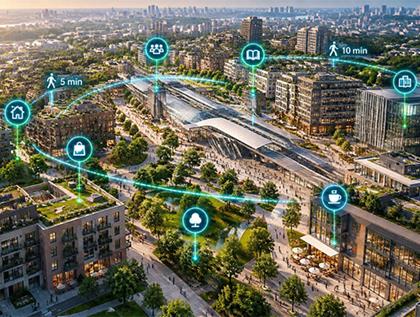
21 September 2026What Is Transit-Oriented Development (TOD)?
-
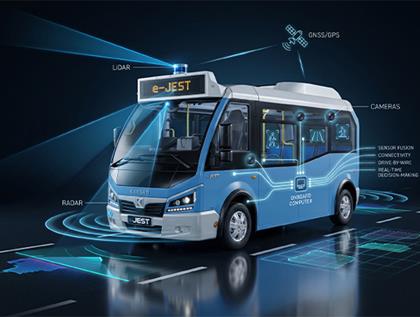
14 September 2026What Makes a Bus Truly Autonomous? The Sensors and Systems Behind Karsan's e-JEST
-
07 September 2026Measuring Sustainability in Public Transport: Which KPIs Matter Most?
-
28 August 2026Karsan × Toyota: Building the Hydrogen Bus of the Future
As urban centers grapple with the accelerating impacts of climate change and stringent air quality regulations, municipalities are strategically reevaluating their public transportation networks by directing significant capital investments toward hydrogen-powered commercial vehicles, because this advanced technology offers a viable pathway to eliminate tailpipe emissions while maintaining the rigorous operational schedules that high-density transit corridors demand.
Cities must reduce carbon emissions rapidly. Diesel buses pollute local air quality. Fleet managers seek sustainable alternatives. Hydrogen provides a practical solution. It stores high amounts of energy. This fuel ensures continuous transit operations. Public transport authorities face intense pressure. Citizens demand cleaner living environments. Zero-emission mobility addresses these concerns directly.
The Strategic Shift Toward Zero-Emission Public Transit
The transition away from fossil fuels requires public transit authorities to adopt comprehensive decarbonization strategies that integrate fuel cell electric vehicles into their existing fleets, ensuring that the fundamental right to urban mobility does not compromise the environmental integrity of the community or violate the binding emissions targets established by international climate agreements.
Legal mandates force fleet modernization. Diesel engines face upcoming bans. Municipalities prioritize clean energy. Electric drives eliminate harmful exhaust. Zero-emission buses protect public health. The transition requires careful financial planning. Leaders analyze long-term climate goals. They allocate budgets for new technologies. Clean transit improves urban life.
Overcoming the Range and Refueling Limitations of Battery Systems
While battery electric vehicles provide a highly effective and clean foundation for standard municipal transit networks, the specific operational requirements of high-frequency and long-distance routes necessitate the complementary integration of hydrogen fuel cell systems to ensure continuous service delivery without the need for extended charging intervals.
Battery buses serve many routes perfectly. Intensive operations demand higher energy density. Hydrogen systems meet these heavy-duty needs. Refueling finishes in seven minutes. Vehicles operate continuously. Planners maintain existing schedules. The transit network runs efficiently.
The Economics of Hydrogen: Total Cost of Ownership and Scalability
Although the initial capital expenditure for fuel cell electric vehicles currently exceeds that of conventional diesel models, municipalities justify these strategic investments by projecting a favorable total cost of ownership over the vehicle's lifespan, which is heavily influenced by the declining production costs of green hydrogen, the minimal maintenance requirements of electric drivetrains, and the substantial financial subsidies provided by regional governments.
Procurement costs remain initially high. Fuel cell prices drop annually. Maintenance expenses are very low. Electric motors lack complex gears. Fleet operators save money eventually. Grants support the initial purchase. Financial planning proves the technology's worth. Municipalities secure federal funding. The economic model becomes sustainable.
Karsan e-ATA Hydrogen: Engineering High-Capacity Urban Mobility
Representing the pinnacle of zero-emission transit engineering, the Karsan e-ATA Hydrogen provides municipalities with a highly efficient 12-meter low-floor platform that utilizes a 97 kW fuel cell stack paired with a durable 43.5 kWh LTO battery to deliver uninterrupted power to an advanced electric portal axle, guaranteeing maximum traction and passenger comfort across challenging topographical environments.
The bus accommodates approximately 90 passengers. The real-world range exceeds 500 kilometers. Lightweight composite tanks store the fuel. These tanks sit safely on the roof. The interior offers wide spaces. Drivers enjoy an ergonomic digital cabin. Passengers experience a smooth ride. The vehicle handles steep city hills easily. Safety systems protect everyone on board.
Infrastructure Development and Green Deal Policy Alignment
The successful integration of hydrogen fleets depends entirely upon the synchronized development of regional refueling infrastructure, where municipal governments collaborate closely with energy providers to construct high-capacity dispensing stations that align directly with the ambitious decarbonization objectives defined by the European Green Deal and similar global legislative frameworks.
Depots need central refueling stations. Infrastructure construction takes time. Governments fund these critical projects. Policies mandate clean fuel availability. Energy companies produce green hydrogen. This network supports daily fleet operations. City planners map the required zones. Technicians install the fuel pumps. The local grid supplies the necessary power.
The Environmental and Social Impact of Fuel Cell Technology
By converting chemical energy directly into electricity through a proton exchange membrane without relying on combustion, fuel cell technology dramatically improves urban livability by eradicating nitrogen oxide emissions and particulate matter from the atmosphere, ultimately yielding a transportation ecosystem where the only tailpipe byproduct is pure water vapor.
Cities become noticeably quieter. The air quality improves immediately. Children suffer fewer respiratory issues. The streets feel safer and cleaner. Public transport gains higher approval. Municipalities achieve their sustainability goals. The community embraces the modern fleet. Zero-emission vehicles define the future. Urban centers become healthier places.