-
23 February 2023Karsan Hydrogen Fuel Cell Bus e-ATA Hydrogen
-
17 July 2024Small City Buses: The Eco-Friendly Choice for Urban Commutes
-
23 September 2024Different Bus Sizes in Urban Transportation
-
02 October 2024What is a Shuttle Bus? How is it Used in Urban Transportation?
-
21 September 2026What Is Transit-Oriented Development (TOD)?
-
14 September 2026What Makes a Bus Truly Autonomous? The Sensors and Systems Behind Karsan's e-JEST
-
07 September 2026Measuring Sustainability in Public Transport: Which KPIs Matter Most?
-
28 August 2026Karsan × Toyota: Building the Hydrogen Bus of the Future
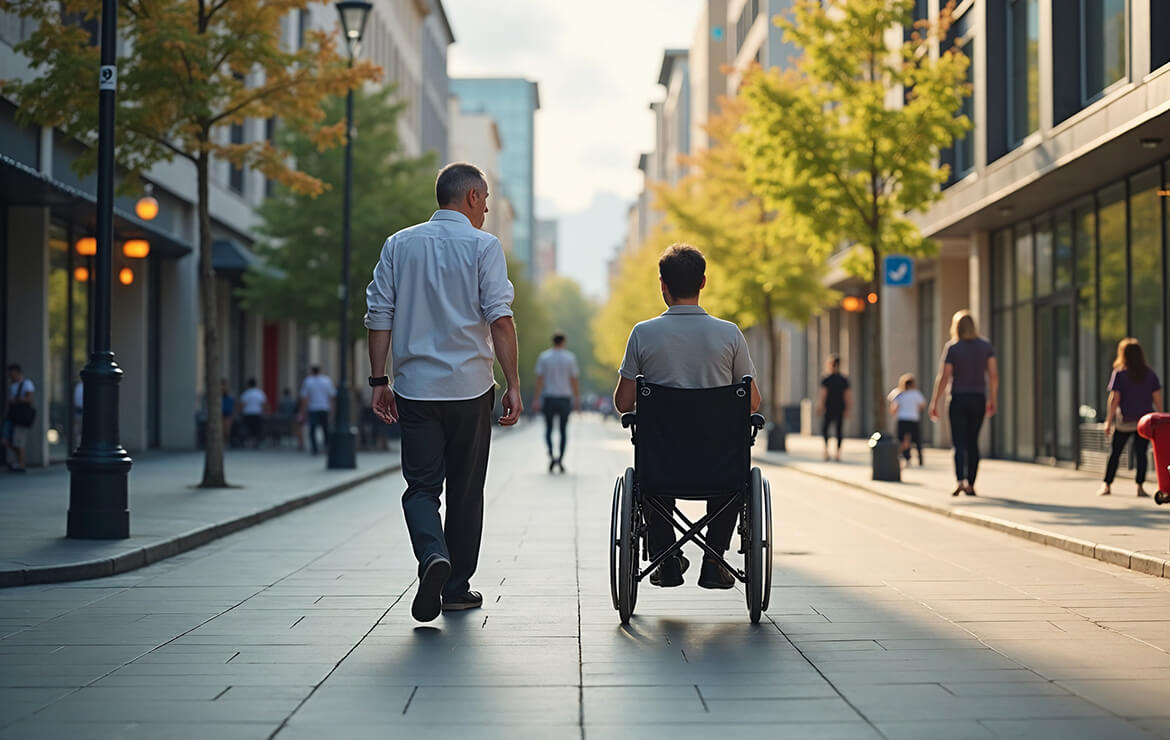
Sustainability stands on three main pillars: environmental, economic, and social. Most public discussions focus on the environment. We talk about carbon footprints and global warming. However, the social dimension is equally important. A city cannot be truly sustainable if it is not fair.
Transport is a basic human right. It connects people to jobs, education, and healthcare. When a transport system is exclusionary, it creates inequality. Transitioning to an electric city bus fleet is a powerful tool for social justice. It helps create "equal cities" by providing better access, cleaner air, and a quieter environment for every citizen.
Accessibility: Physical Equality on the Road
A fair city must be accessible to everyone. This group includes the elderly, parents with strollers, and people with physical disabilities. Traditional buses often have high steps. This creates a physical barrier. It makes people dependent on others for help.
The Importance of Low-Floor Design
Modern zero-emission public transport prioritizes inclusivity. Vehicles like the Karsan e-JEST and Karsan e-ATAK feature low-floor designs. This allows passengers to board the bus at the same level as the sidewalk.
For an elderly person, this design means safety. For a wheelchair user, it means independence. This design removes the need for special assistance. It integrates every citizen into the same transport flow. When everyone uses the same door and the same space, the city becomes more unified.
Health Justice: Clean Air as a Right
Air pollution does not affect every neighborhood equally. Historically, lower-income areas are located near busy roads. These residents breathe more exhaust fumes. They suffer from higher rates of asthma and heart disease. This is a matter of health inequality.
Protecting Vulnerable Neighborhoods
The introduction of zero-emission public transport addresses this injustice directly. Electric buses release no nitrogen oxides or particulate matter at the street level. By placing these buses on routes through disadvantaged neighborhoods, municipalities provide immediate health benefits. This ensures that a child's lung health does not depend on their home address.
The Acoustic Environment and Mental Well-being
Noise is another factor that divides cities. Loud, high-traffic areas are usually more affordable but more stressful. Constant noise from diesel engines increases stress hormones. It disrupts sleep for those living near bus routes.
Quiet public transport changes this dynamic. An electric bus glides through the street with very little sound. This improves the quality of life in high-density areas. It allows residents to open their windows without disturbance. It makes the street a place for social interaction. A quieter city is a calmer and more productive city.
Reaching Every Corner: Compact Buses and Social Inclusion
Social exclusion often happens because of geography. Large buses cannot move through narrow streets or distant suburban hills. As a result, these areas often have no public transport. Residents are forced to walk long distances.
The Role of Karsan e-JEST in Social Connectivity
The compact electric bus is the solution for these areas. The Karsan e-JEST is only 5.8 meters long. It enters narrow alleys where a standard bus would get stuck. By using the e-JEST, a municipality provides service to the doorstep of an elderly resident. This connectivity prevents social isolation. It ensures that every citizen has a reliable link to the rest of the city.
Beyond the Engine: The Holistic Transformation of Urban Life
The shift to electric mobility is more than a technical upgrade; it is a fundamental redesign of how citizens interact with their urban environment. When a city removes the vibration and soot of diesel engines, it effectively "reclaims" its streets as high-quality social spaces where residents feel more comfortable spending time outdoors.
Research in modern "smart cities" indicates that cleaner and quieter high streets lead to a measurable increase in local economic vitality. Pedestrians stay longer in pleasant environments. They visit local shops more often. This creates a "healthy high street" effect where transport supports local commerce.
Furthermore, this transition strengthens the bond of trust between the municipality and its people. When citizens ride a modern, quiet vehicle like the Karsan e-ATAK, they perceive that the city operator truly "cares" about their comfort and dignity. This positive perception increases public transit ridership. It reduces the reliance on private cars. It turns a simple commute into a dignified experience that celebrates the city's shared future.
Building a Fairer Future
Social sustainability is about dignity. It is about ensuring that every person can move through their city with ease. An electric city bus fleet is a physical manifestation of this value.
Municipalities that invest in Karsan e-JEST and e-ATAK models protect their people. They build a city where a wheelchair user can travel alone and a child can breathe clean air. A quiet street should be a standard for everyone. Green transport is the fastest route to an equal city.