-
23 February 2023Karsan Hydrogen Fuel Cell Bus e-ATA Hydrogen
-
17 July 2024Small City Buses: The Eco-Friendly Choice for Urban Commutes
-
23 September 2024Different Bus Sizes in Urban Transportation
-
02 October 2024What is a Shuttle Bus? How is it Used in Urban Transportation?
-
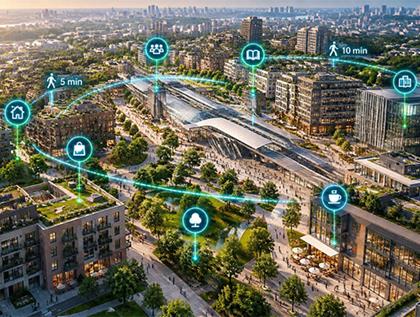
21 September 2026What Is Transit-Oriented Development (TOD)?
-
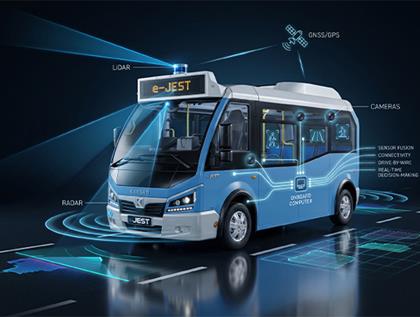
14 September 2026What Makes a Bus Truly Autonomous? The Sensors and Systems Behind Karsan's e-JEST
-
07 September 2026Measuring Sustainability in Public Transport: Which KPIs Matter Most?
-
28 August 2026Karsan × Toyota: Building the Hydrogen Bus of the Future

Cleaning the Air, One Street at a Time
Step into the heart of many modern cities, and you might notice a quiet revolution happening—not in the skyscrapers, but on the streets. This is where Low Emission Zones (LEZs) are changing the way we move, breathe, and live.
What Is a Low Emission Zone (LEZ)?
An LEZ is a defined urban area where the most polluting vehicles face restrictions or charges based on their emission levels.
-
The goal? Cleaner air and healthier cities.
-
The focus? Primarily diesel and older petrol vehicles that fail to meet modern emission standards.
-
The method? Encouraging drivers to switch to cleaner, more sustainable transport options—like electric, hybrid, or low-emission vehicles.
The Different Types of Emission-Control Zones
Cities choose different approaches depending on their climate goals and infrastructure:
-
LEZ (Low Emission Zone) – Allows only vehicles that meet certain Euro emission standards.
-
ULEZ (Ultra Low Emission Zone) – Stricter, often permitting only electric, hybrid, or very low-emission vehicles.
-
ZEZ (Zero Emission Zone) – The most ambitious, allowing only 100% zero-emission vehicles, such as electric or hydrogen-powered ones.
Each zone type signals a different level of commitment to cutting pollution—and reflects what’s possible within that city’s infrastructure.
Why Do Cities Need LEZs?
Air pollution isn’t just an environmental problem—it’s a public health emergency.
-
Transport is one of the main sources of harmful nitrogen dioxide (NO₂) and fine particulate matter (PM2.5).
-
These pollutants are linked to asthma, lung disease, cardiovascular issues, and even premature death.
-
The European Environment Agency estimates that air pollution causes over 300,000 premature deaths in Europe every year.
By limiting high-pollution vehicles, LEZs:
✅ Cut urban air pollution
✅ Lower greenhouse gas emissions
✅ Improve public health and quality of life
✅ Encourage cleaner travel habits
Success Stories from Europe
-
London – The Ultra Low Emission Zone (ULEZ) reduced roadside NO₂ by 44% in its first year and now operates 24/7, covering an expanded area.
-
Berlin – Since introducing its LEZ in 2008, high-pollution vehicles have dropped sharply, and air quality has improved noticeably.
-
Madrid – “Madrid Central” reduced inner-city traffic by 24% and cut NO₂ levels significantly.
-
Oxford – One of the first to pilot a Zero Emission Zone, aiming to ban combustion engine vehicles from its historic centre.
Benefits That Go Beyond the Environment
-
Health Gains – Fewer respiratory illnesses mean lower healthcare costs and healthier communities.
-
Economic Advantages – Cleaner, more pleasant cities attract tourism and business investment.
-
Behavioral Shifts – More people opt for public transport, cycling, walking, or electric vehicles.
Most LEZ programs are paired with infrastructure upgrades—like electric charging points and better public transport—to make sustainable travel an easy choice.
Are There Drawbacks?
Yes—but they’re being addressed.
-
Economic Inequality – Low-income drivers may struggle to upgrade their vehicles.
-
Business Concerns – Delivery fleets face high replacement or retrofitting costs.
-
Infrastructure Gaps – Some areas lack enough charging stations or alternative transport options.
Cities often respond with financial incentives, retrofit grants, or phased rollouts to ease the transition.
What’s Next for LEZs?
The future of urban mobility is moving toward zero emissions—and LEZs are key to that shift.
Emerging trends include:
-
Integration with smart mobility tech like geofencing and real-time air quality monitoring.
-
Full electrification of public transport fleets.
-
Expansion of hydrogen fuel infrastructure.
-
Cross-border alignment of LEZ rules across the EU for easier compliance.
With EU policies like the Clean Vehicles Directive pushing for greener fleets, expect LEZs to grow in both number and ambition.
LEZs aren’t just about traffic rules—they’re about rethinking the way our cities breathe. When paired with smart investment and fair transition plans, they can deliver cleaner air, healthier people, and more vibrant urban life.
Cleaner cities aren’t a distant dream—they’re already here. And with the right momentum, they’ll be everywhere.