-
23 February 2023Karsan Hydrogen Fuel Cell Bus e-ATA Hydrogen
-
17 July 2024Small City Buses: The Eco-Friendly Choice for Urban Commutes
-
23 September 2024Different Bus Sizes in Urban Transportation
-
02 October 2024What is a Shuttle Bus? How is it Used in Urban Transportation?
-
21 September 2026What Is Transit-Oriented Development (TOD)?
-
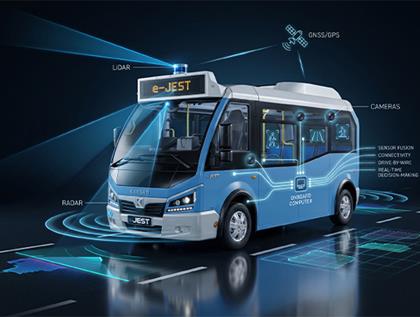
14 September 2026What Makes a Bus Truly Autonomous? The Sensors and Systems Behind Karsan's e-JEST
-
07 September 2026Measuring Sustainability in Public Transport: Which KPIs Matter Most?
-
28 August 2026Karsan × Toyota: Building the Hydrogen Bus of the Future
The United Kingdom government has set ambitious targets to achieve net zero emissions by 2050, and the transport sector plays a critical role in this journey. Among several initiatives, the Zero Emission Bus Regional Areas (ZEBRA) scheme stands out as a major programme designed to accelerate the transition from diesel to electric buses.
What is the ZEBRA Scheme?
Launched by the Department for Transport (DfT), the ZEBRA scheme provides financial support to local transport authorities and bus operators across the UK. Its goal is simple: replace traditional diesel buses with zero emission buses (ZEBs) such as battery-electric and hydrogen fuel cell models.
The scheme not only covers the cost of the buses themselves but also contributes to the infrastructure required — charging stations, grid connections, and maintenance facilities.
Who Can Apply for ZEBRA Funding?
The ZEBRA scheme targets:
• Local councils and transport authorities – responsible for public transport planning.
• Bus operators – companies running commercial bus services.
• Fleet managers – in partnership with local authorities.
Cities like Coventry and Oxford are on track to become fully electric bus cities thanks to ZEBRA funding. Passengers benefit from quieter rides and cleaner air, while operators enjoy reduced fuel costs and access to long-term government backing.
Funding & Grants Available
One of the biggest barriers to electric bus adoption has been cost. Electric buses can be two to three times more expensive than diesel equivalents. Through ZEBRA, the government provides grants to cover:
• Purchase of new zero emission buses
• Installation of charging or refuelling infrastructure
• Upgrades to depots and workshops
For operators ready to act, finding a dealer in the UK is the first step toward integrating electric buses.
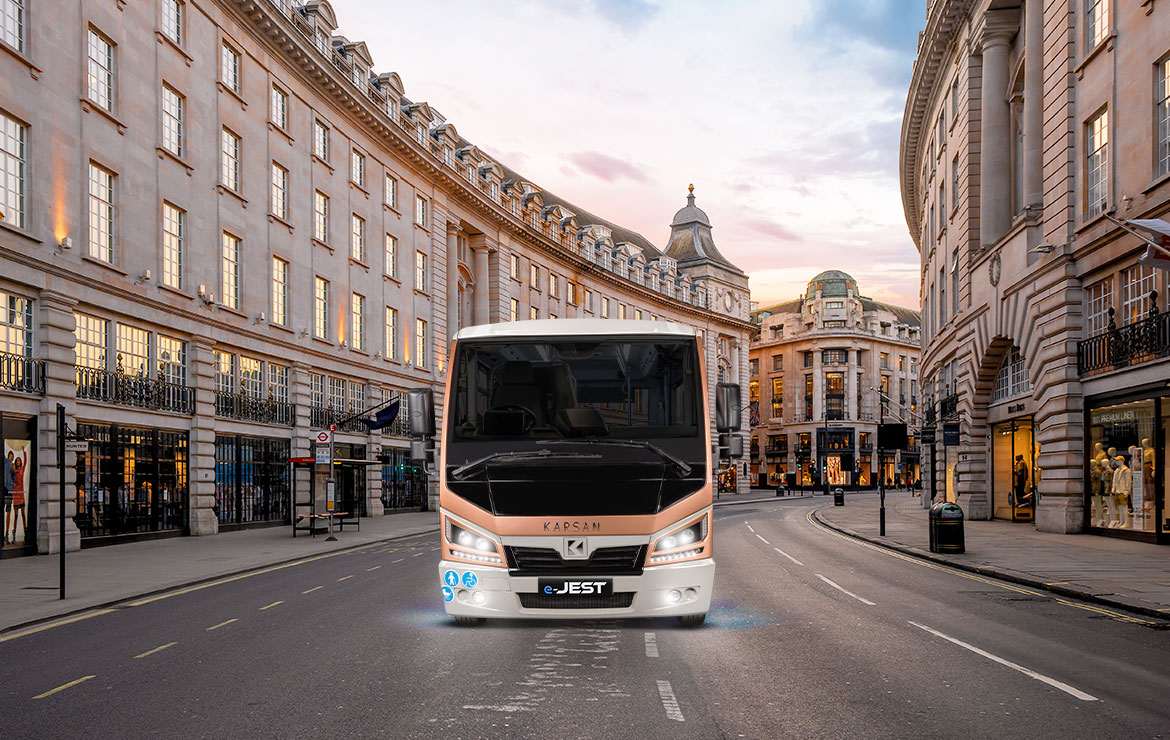
At this point, you can also explore e‑JEST electric minibus specs or see real examples of right-hand drive e‑JEST in the UK.
Conclusion
The ZEBRA scheme is more than just a grant programme—it is a roadmap to the future of public transport in the UK. By enabling the transition to electric buses, it creates economic opportunities, reduces emissions, and improves passenger experiences.
Looking to add electric buses to your fleet? Contact us today for tailored zero emission solutions in the UK.