-
23 February 2023Karsan Hydrogen Fuel Cell Bus e-ATA Hydrogen
-
17 July 2024Small City Buses: The Eco-Friendly Choice for Urban Commutes
-
23 September 2024Different Bus Sizes in Urban Transportation
-
02 October 2024What is a Shuttle Bus? How is it Used in Urban Transportation?
-
21 September 2026What Is Transit-Oriented Development (TOD)?
-
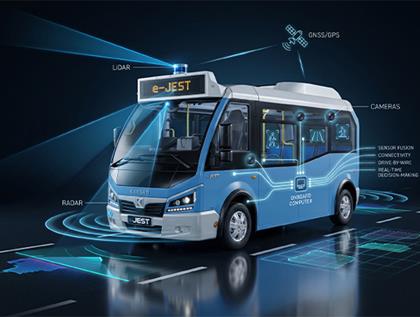
14 September 2026What Makes a Bus Truly Autonomous? The Sensors and Systems Behind Karsan's e-JEST
-
07 September 2026Measuring Sustainability in Public Transport: Which KPIs Matter Most?
-
28 August 2026Karsan × Toyota: Building the Hydrogen Bus of the Future
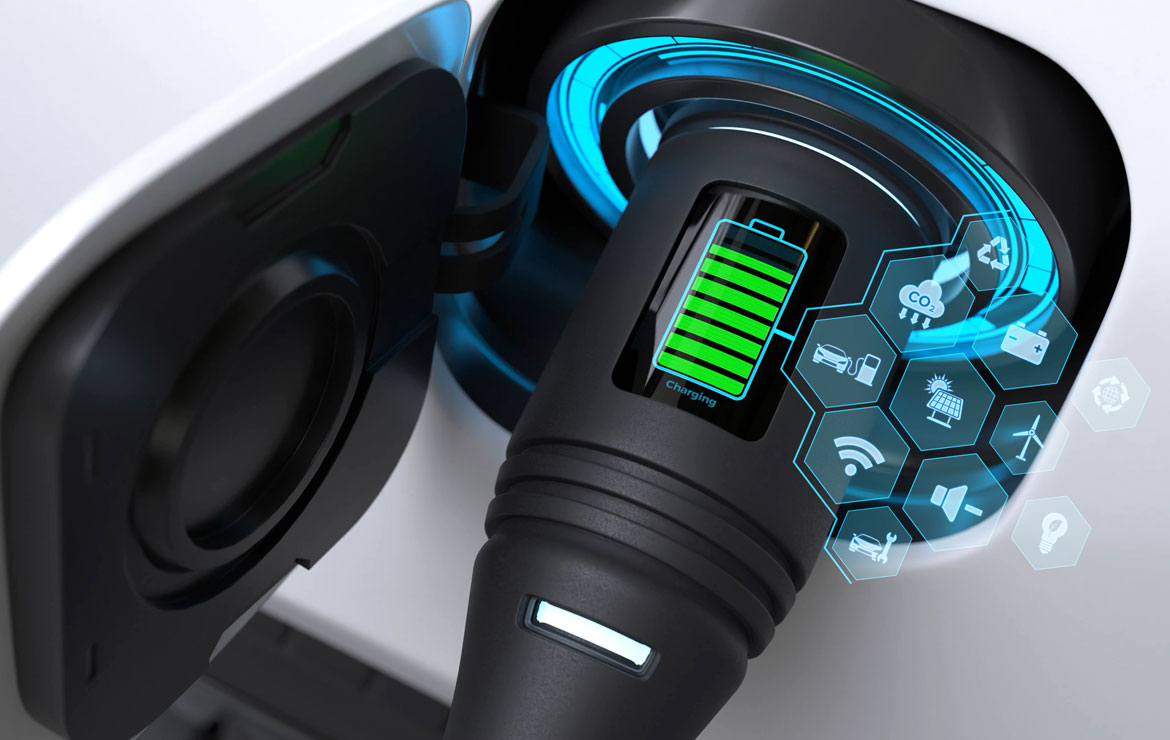
Driving Without a Drop of Fuel
As the automotive world shifts toward sustainability, one term keeps coming up: BEV. You’ll see it in news headlines, car brochures, and government policy papers. But what does it actually mean—and is it right for you?
What Does BEV Stand For?
BEV means Battery Electric Vehicle—a car powered entirely by electricity.
-
No petrol or diesel engine.
-
No tailpipe emissions.
-
No fuel stops.
BEVs run on an electric motor fed by a rechargeable battery, making them one of the cleanest vehicle options on the road today.
How BEVs Differ from Hybrids and Plug-In Hybrids
It’s easy to mix up the different types of electrified vehicles, but here’s the quick breakdown:
-
BEV (Battery Electric Vehicle) – 100% electric. Needs to be charged via a home charger, public charger, or fast-charging station. Produces zero emissions while driving.
-
HEV (Hybrid Electric Vehicle) – Combines a petrol engine and a small electric motor. Charges itself while driving but cannot be plugged in. Still produces emissions.
-
PHEV (Plug-in Hybrid Electric Vehicle) – Has both a petrol engine and a larger electric motor. Can be plugged in to extend electric-only range but still uses fuel for longer trips.
If you want to skip fuel altogether, a BEV is the way to go.
How a BEV Works — From Plug to Road
-
Charging the Battery – Electricity is stored in a high-capacity lithium-ion battery, similar to the one in your phone, but far larger.
-
Powering the Motor – The battery sends electricity to the electric motor, which turns the wheels.
-
Driving Experience – Electric motors deliver instant torque, meaning quick, smooth acceleration with no gear shifts.
-
Regenerative Braking – When you slow down, the motor acts as a generator, sending some energy back to the battery.
Why Drivers Choose BEVs
-
🌍 Zero emissions – Good for the environment and urban air quality.
-
💰 Lower running costs – Electricity is often cheaper than petrol, and there are fewer moving parts to maintain.
-
⚡ Instant torque – Smooth, powerful acceleration every time.
-
🔧 Low maintenance – No oil changes, fewer fluids, fewer mechanical failures.
-
🎁 Incentives – Many governments offer tax breaks, rebates, or free parking for EV owners.
Things to Consider Before Buying a BEV
-
Charging access – Ideally, you’ll have a home charger or easy access to workplace/public charging.
-
Upfront price – Still higher than many fuel cars, though prices are falling.
-
Range in extreme weather – Cold temperatures can temporarily reduce battery efficiency.
-
Charging time – Even fast chargers take longer than filling up a fuel tank.
Who Should Consider a BEV?
-
Daily commuters with predictable routes.
-
Homeowners or workers with regular charging access.
-
Eco-conscious drivers who want zero emissions without the compromise of hybrids.
-
Early adopters looking to future-proof their mobility choice.
The Future of BEVs
Battery Electric Vehicles aren’t just a trend—they’re at the core of global decarbonisation plans. As charging networks expand and battery technology advances, BEVs are becoming more affordable, more capable, and more practical than ever before.
The takeaway: If you want a clean, quiet, and cost-efficient way to drive into the future, a BEV is one of the smartest choices you can make today.