-
23 February 2023Karsan Hydrogen Fuel Cell Bus e-ATA Hydrogen
-
17 July 2024Small City Buses: The Eco-Friendly Choice for Urban Commutes
-
23 September 2024Different Bus Sizes in Urban Transportation
-
02 October 2024What is a Shuttle Bus? How is it Used in Urban Transportation?
-
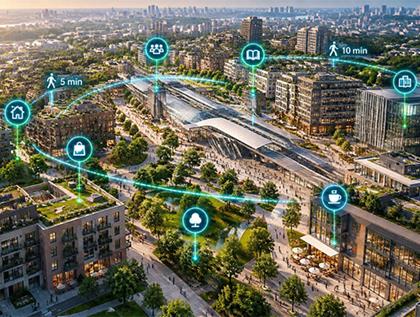
21 September 2026What Is Transit-Oriented Development (TOD)?
-
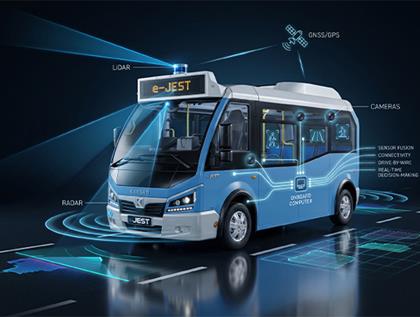
14 September 2026What Makes a Bus Truly Autonomous? The Sensors and Systems Behind Karsan's e-JEST
-
07 September 2026Measuring Sustainability in Public Transport: Which KPIs Matter Most?
-
28 August 2026Karsan × Toyota: Building the Hydrogen Bus of the Future

Driving the Future of Mobility
What does EV mean? EV stands for electric vehicle, a type of vehicle powered entirely or partially by electricity instead of gasoline or diesel. In this guide, you’ll learn what EVs are, how they work, and why they are becoming the future of transportation.
What Does EV Mean?
EV means Electric Vehicle. It refers to any vehicle powered by electricity instead of petrol or diesel.
Electric vehicles use electric motors and battery packs to convert stored energy into motion. With zero tailpipe emissions, they offer a cleaner and quieter alternative, especially in urban areas.
How Do Electric Vehicles Work?
It’s simpler than you might think:
-
Rechargeable batteries store energy.
-
Electric motors convert that stored energy into motion, driving the wheels.
-
Onboard systems manage power delivery, regenerative braking, and efficiency.
Unlike traditional cars, there’s no exhaust, no engine oil, and no gear shifting—just smooth, instant acceleration and a quiet ride.
The Main Types of EVs
Not all EVs are the same. Here’s a quick guide to the three main types:
-
BEV (Battery Electric Vehicle) – Fully electric. Runs only on battery power. Must be charged from an external source, like a home wallbox or public charging station.
-
PHEV (Plug-in Hybrid Electric Vehicle) – Combines a petrol engine with a larger battery that can be plugged in. Can run short trips on electric power alone, with petrol as backup for longer journeys.
-
HEV (Hybrid Electric Vehicle) – Petrol engine plus electric motor, but no plug-in charging. Charges itself via regenerative braking and the engine. Each type offers a different mix of electric driving range, convenience, and infrastructure needs.
Benefits of Electric Vehicles
EVs bring a range of advantages for drivers, cities, and the planet:
-
Zero tailpipe emissions – Cleaner air and less contribution to climate change.
-
Lower running costs – Electricity is often cheaper than fuel, and fewer moving parts mean less maintenance.
-
Smooth, quiet drive – Instant torque and silent operation.
-
Incentives & subsidies – Many countries offer tax breaks, grants, or free parking to encourage EV adoption.
Challenges to Consider
Like any technology, EVs have hurdles to overcome:
-
Charging infrastructure – Public charging is growing fast but still lags behind fuel stations in some areas.
-
Battery production – Mining and manufacturing have environmental impacts, though recycling and cleaner supply chains are improving.
-
Higher upfront cost – Although prices are dropping and long-term savings can offset this.
The good news? Global innovation and policy support are rapidly addressing these challenges.
Why EVs Are the Future of Mobility
EVs aren’t just a passing trend—they’re part of a bigger movement toward sustainable transport and clean energy. Around the world, cities are:
-
Expanding EV charging networks
-
Electrifying public transport fleets
-
Offering stronger incentives to switch from fossil fuels
As renewable energy sources like wind and solar grow, the electricity powering EVs will become even cleaner—creating a transport system that’s truly zero-emission from source to wheel.
Electric Bus Solutions by Karsan
Electric vehicles are transforming public transportation. Karsan offers advanced electric bus models designed for sustainable urban mobility.
The Road Ahead
From sleek city cars to powerful electric SUVs and even electric trucks, the EV market is exploding with choice. With better batteries, faster charging, and falling prices, it’s never been easier to make the switch.
Electric Vehicles aren’t just changing how we drive—they’re redefining what driving means for the next generation.
Frequently Asked Questions
What does EV stand for?
EV stands for Electric Vehicle.
How do electric vehicles work?
Electric vehicles use batteries and electric motors instead of internal combustion engines.
Are EVs better than petrol cars?
EVs produce zero tailpipe emissions and have lower running costs, making them more environmentally friendly.
Last updated: 2026