
-
23 veljača 2023Karsan Hydrogen Fuel Cell Bus e-ATA Hydrogen
-
17 srpanj 2024Small City Buses: The Eco-Friendly Choice for Urban Commutes
-
23 rujan 2024Different Bus Sizes in Urban Transportation
-
02 listopad 2024What is a Shuttle Bus? How is it Used in Urban Transportation?
-
05 lipanj 2026Level 4 vs Other Autonomy Levels: What Sets It Apart?
-
29 svibanj 2026Green Hydrogen vs. Battery Electric: Which Zero-Emission Bus Is Right for Your City?
-
22 svibanj 2026Why Romania Is One of Europe's Fastest-Growing Electric Bus Markets?
-
15 svibanj 2026Beyond Zero Emissions: Measuring the Real Impact of Sustainable Public Transport
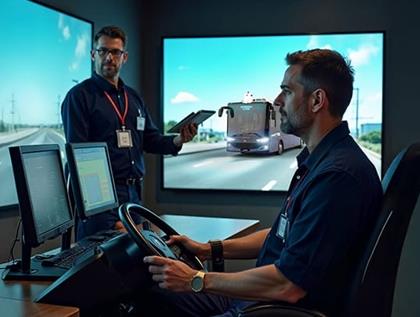
DRIVER TRAINING FOR AUTONOMOUS / ELECTRIC BUSES: WHAT OPERATORS NEED TO KNOW
The future of public transport is electric — and increasingly, autonomous. Across the United States and Europe, battery-electric buses, school buse...

THE NET ZERO MANDATE: WHY DECARBONIZING YOUR FLEET MUST BE A NECESSITY — NOT AN OPTION
Transportation accounts for about 27 percent of the United States' and about one-quarter of Europe's greenhouse gas emissions, mainly due to cars, ...
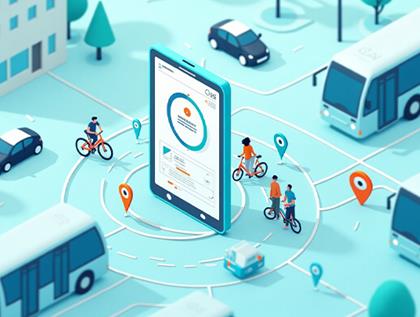
MOBILITY AS A SERVICE (MAAS): THE FUTURE OF CONNECTED TRANSPORTATION
MaaS is evolving the way cities think about transportation — creating a seamless, integrated, and sustainable transportation system using digital t...
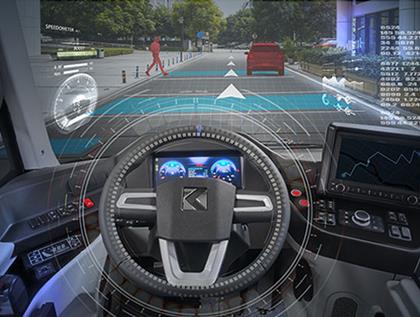
SAFETY FEATURES & REGULATIONS FOR AUTONOMOUS BUSES IN THE EU
Autonomous vehicles are no longer a futuristic concept — they are slowly entering Europe’s roads and reshaping how we think about mobility.

WHY THE UK IS SWITCHING TO ELECTRIC BUSES FASTER THAN EVER
The United Kingdom is undergoing a rapid transformation in its public transport system. From London’s iconic red buses to fleets in smaller towns, ...