
-
23 February 2023Karsan Hydrogen Fuel Cell Bus e-ATA Hydrogen
-
17 July 2024Small City Buses: The Eco-Friendly Choice for Urban Commutes
-
23 September 2024Different Bus Sizes in Urban Transportation
-
02 October 2024What is a Shuttle Bus? How is it Used in Urban Transportation?
-
24 June 2026Electric Bus Charging: A Fleet Manager's Guide
-
19 June 2026Low Emission Zones: A Guide for Transit Operators
-
12 June 2026Electric Airport Shuttles: The Case for Going Green
-
05 June 2026Level 4 vs Other Autonomy Levels: What Sets It Apart?
THE ONLY EMISSION IS WATER: THE ROLE OF FCEVS IN ACHIEVING TOTAL URBAN AIR QUALITY
For decades, cities have paid the price of running transportation systems on fossil fuels. Urban air has been choked by nitrogen oxides (NOx) and f...
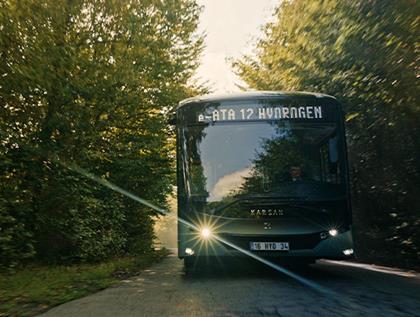
HYDROGEN: THE FAST TRACK TO DIESEL-LEVEL UPTIME
Why hydrogen buses like Karsan e-ATA HYDROGEN outperform batteries with 15-minutes refueling and 500+ km range.
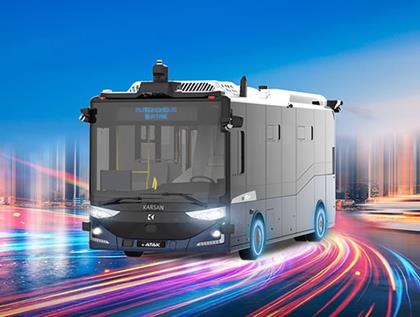
SPOTLIGHT ON AUTONOMY: HOW THE AUTONOMOUS E-ATAK IS REDEFINING PUBLIC TRANSPORT EFFICIENCY
Karsan’s Autonomous e-ATAK leads the new era of driverless public transport — efficient, safe, and ready for real-world operations.
COMPREHENSIVE GUIDE TO ELECTRIC BUS PROGRAMS IN THE USA: FUNDING, INCENTIVES & DEPLOYMENT STRATEGIES
The United States is rapidly advancing toward a zero-emission future for public transportation. With ambitious federal goals to decarbonize transit...
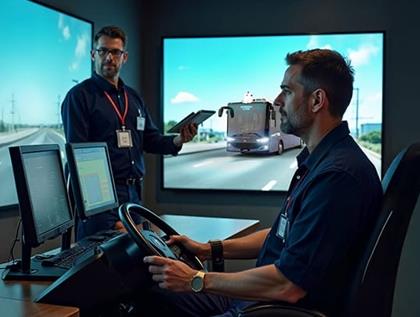
DRIVER TRAINING FOR AUTONOMOUS / ELECTRIC BUSES: WHAT OPERATORS NEED TO KNOW
The future of public transport is electric — and increasingly, autonomous. Across the United States and Europe, battery-electric buses, school buse...