-
23 February 2023Karsan Hydrogen Fuel Cell Bus e-ATA Hydrogen
-
17 July 2024Small City Buses: The Eco-Friendly Choice for Urban Commutes
-
23 September 2024Different Bus Sizes in Urban Transportation
-
02 October 2024What is a Shuttle Bus? How is it Used in Urban Transportation?
-
21 September 2026What Is Transit-Oriented Development (TOD)?
-
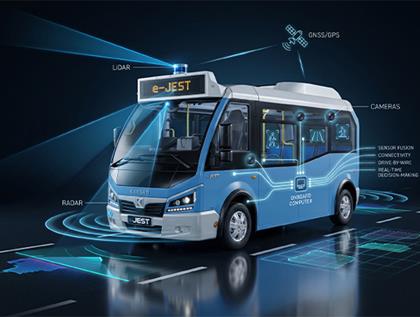
14 September 2026What Makes a Bus Truly Autonomous? The Sensors and Systems Behind Karsan's e-JEST
-
07 September 2026Measuring Sustainability in Public Transport: Which KPIs Matter Most?
-
28 August 2026Karsan × Toyota: Building the Hydrogen Bus of the Future
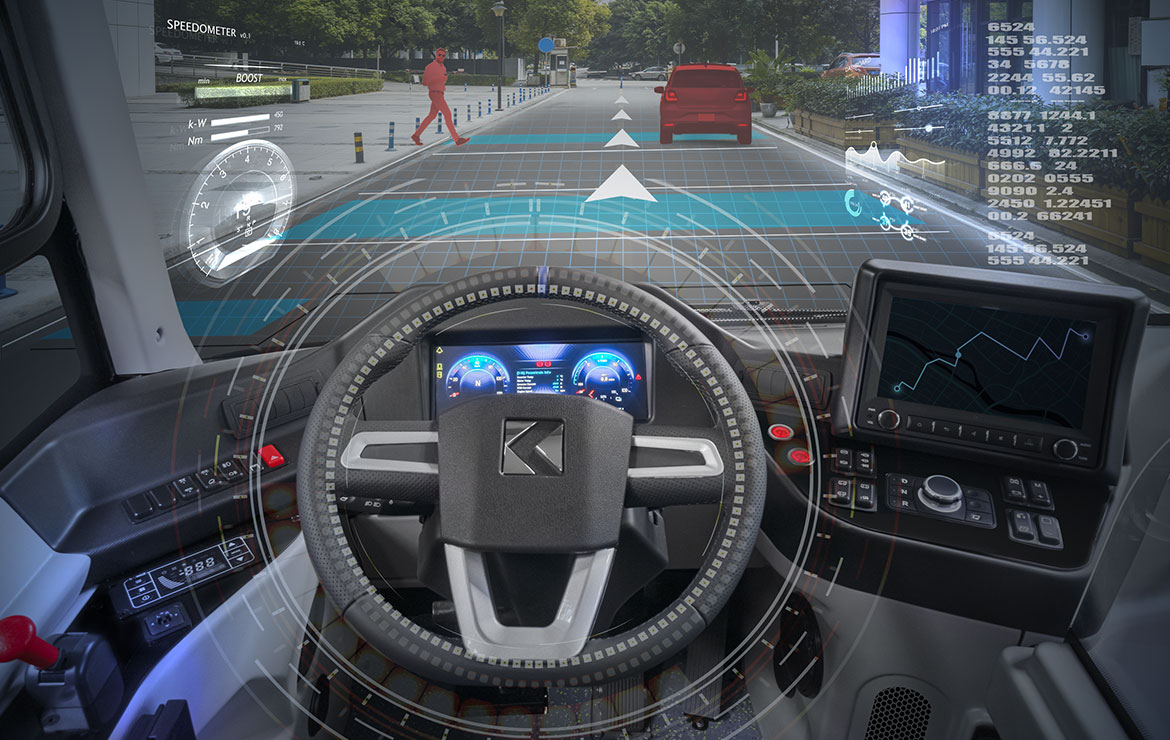
Autonomous vehicles are no longer a futuristic concept — they are slowly entering Europe’s roads and reshaping how we think about mobility. Among them, autonomous buses stand out for their potential to transform public transport, reduce accidents, and provide accessible mobility to all.
But before these vehicles can operate safely and at scale, Europe has put in place strict safety regulations and approval processes. Here’s a comprehensive look at the safety features and regulatory framework that guide the rollout of autonomous buses across the EU.
Why Safety Regulations Matter for Autonomous Buses
Unlike private cars, buses carry dozens of passengers and interact closely with vulnerable road users like pedestrians and cyclists. That means the margin for error is almost zero. Safety rules ensure:
- Passenger and driver protection
- Collision prevention with pedestrians, cyclists, and other vehicles
- Secure handling of digital systems and cybersecurity threats
- Public confidence in new mobility technologies
The Backbone: The EU’s General Safety Regulation (2019/2144)
The General Safety Regulation (GSR), adopted in 2019 and applied since July 2022, is the foundation of modern vehicle safety in Europe.
It mandates a range of advanced driver assistance systems (ADAS) that are compulsory for all new vehicles — including buses:
- Intelligent Speed Assistance
- Reversing detection (cameras/sensors)
- Driver drowsiness and distraction warnings
- Emergency stop signals
- Event Data Recorders (black boxes)
- Cybersecurity measures
Bus-specific features go further:
- Blind-spot detection to prevent collisions with cyclists and pedestrians
- Collision warnings and advanced braking systems
- Tyre pressure monitoring
Timeline highlights:
- Applies to all new vehicle types since 2022
- Applies to all new vehicles sold from July 2024
- Some features (like recorders) become mandatory for buses by 2026
Technical Rules for Automated and Driverless Buses
Europe has been the first region in the world to publish international rules for fully driverless vehicles (Level 4 automation).
For buses, this means:
- Rigorous safety assessments before approval
- Defined testing procedures for autonomous driving systems
- Cybersecurity and software update requirements
- Continuous performance monitoring and incident reporting
For Level 3 buses (automated driving on motorways with fallback-ready drivers), the EU framework aligns with the United Nations regulations on Automated Lane Keeping Systems (ALKS).
For Level 2 systems (like lane-keeping and adaptive cruise control), the EU follows UN Regulation 171 on Driver Control Assistance Systems.
Inside the Bus: Passenger Safety Standards
Autonomous or not, EU bus regulations maintain strict interior safety requirements:
- Emergency exits and doors must be clearly marked and accessible
- Alerts to warn if doors are open or not properly secured
- Crash protection and fire safety measures
These rules fall under UNECE Regulation 107, which governs bus construction and passenger safety design.
Cybersecurity and Data Governance
One of the most critical aspects of autonomous buses is digital security. EU rules require:
- Cybersecurity management systems to prevent hacking or malicious control
- Secure over-the-air (OTA) updates for vehicle software
- Event Data Recorders to provide reliable crash evidence
These requirements make sure buses are not just mechanically safe, but also digitally resilient.
Challenges and the Road Ahead
Despite strong frameworks, deployment of autonomous buses is still limited. Most projects in Germany, France, and Nordic countries run as low-speed pilots with remote monitoring or backup drivers.
The biggest challenge is harmonisation: while the EU has common laws, member states still regulate differently when it comes to real-world trials. To scale up, Europe needs:
- Unified approval and liability rules across all countries
- More investment in digital infrastructure (like smart roads and 5G networks)
- Integration of autonomous buses into public transport systems rather than standalone services
Autonomous buses have the potential to redefine public transport in Europe — making it safer, cleaner, and more inclusive. The EU has already built one of the world’s most advanced legal frameworks, covering everything from ADAS features and passenger safety to cybersecurity and data governance.
As Europe moves toward 2030, the key will be harmonisation and real-world deployment. With the right mix of technology, safety, and regulation, autonomous buses could become a cornerstone of sustainable, smart mobility in European cities.