-
23 February 2023Karsan Hydrogen Fuel Cell Bus e-ATA Hydrogen
-
17 July 2024Small City Buses: The Eco-Friendly Choice for Urban Commutes
-
23 September 2024Different Bus Sizes in Urban Transportation
-
02 October 2024What is a Shuttle Bus? How is it Used in Urban Transportation?
-
21 September 2026What Is Transit-Oriented Development (TOD)?
-
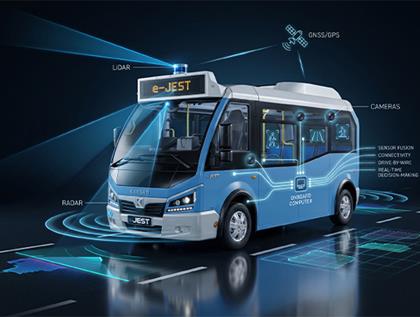
14 September 2026What Makes a Bus Truly Autonomous? The Sensors and Systems Behind Karsan's e-JEST
-
07 September 2026Measuring Sustainability in Public Transport: Which KPIs Matter Most?
-
28 August 2026Karsan × Toyota: Building the Hydrogen Bus of the Future
Fleet Conversion: From Diesel to EV – Roadmap & Pitfalls
The global push for cleaner, more sustainable transport is reshaping how fleets operate. Electric vehicles (EVs) are no longer a niche experiment — they’re a mainstream solution. In 2023, EVs accounted for about 18% of all vehicle sales worldwide, up from 14% in 2022. By 2030, that share is expected to grow even higher, with Europe and China leading the way.
For fleet operators, this means one thing: the shift from diesel to electric isn’t a question of if — but when. Transitioning a fleet to EVs offers big opportunities for cost savings, cleaner operations, and compliance with climate policies. But it’s not without challenges. This roadmap highlights the key steps to success and the pitfalls to avoid.
Step 1: Build a Clear Strategy
Every successful conversion starts with a plan:
-
Assess routes and duty cycles: Short, predictable routes are ideal first candidates.
-
Set goals: Align fleet conversion with corporate sustainability targets or government mandates.
-
Engage stakeholders: Involve drivers, technicians, and managers early.
Pitfall: Jumping into pilots without a strategy often leads to inefficiencies and resistance from staff.
Step 2: Understand the True Cost
EVs can be more expensive upfront but save money long-term.
-
Total Cost of Ownership (TCO) includes lower fuel (electricity), reduced maintenance, and potential grants or subsidies.
-
Factor in energy costs: Electricity tariffs, peak demand charges, and smart charging strategies affect the bottom line.
Pitfall: Comparing sticker prices alone — without considering long-term savings and incentives — creates misleading cost analyses.
Step 3: Invest in Charging Infrastructure
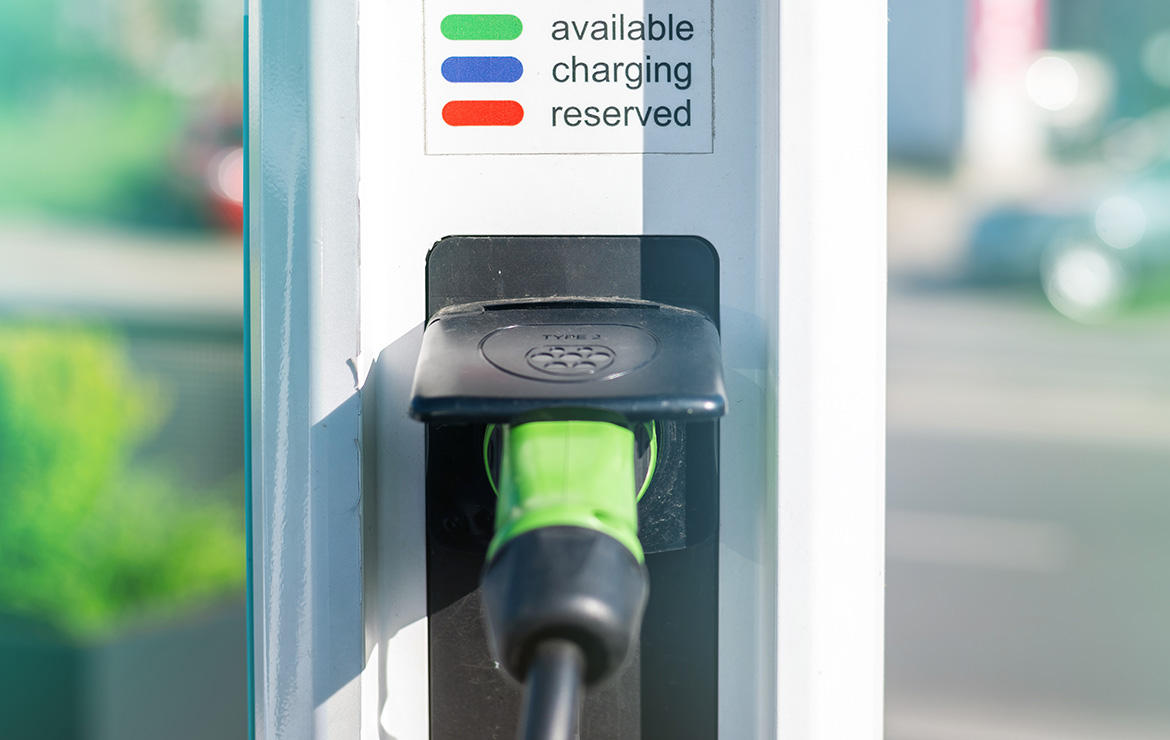
Without reliable charging, EV fleets can’t run efficiently.
-
Depot charging works for buses or delivery vans with overnight downtime.
-
On-route fast charging supports high-mileage or long-distance vehicles.
-
Smart charging reduces grid strain and lowers energy bills.
-
Renewables integration (solar-powered stations or battery storage) helps future-proof operations.
Pitfall: Underestimating grid capacity needs or delaying utility coordination can result in costly downtime.
Step 4: Upskill Drivers and Technicians
Diesel and EV operations aren’t the same. Training is essential:
-
Drivers: Learn regenerative braking, range-maximizing techniques, and EV safety.
-
Technicians: Gain high-voltage safety skills and battery diagnostics expertise.
-
Managers: Use telematics and data analytics to optimize performance.
Pitfall: Treating EVs “just like diesels” leads to wasted range, unsafe handling, and higher maintenance costs.
Step 5: Scale Gradually, Learn Continuously
Start small, gather data, then expand:
-
Pilot programs: Trial EVs on selected routes.
-
Use telematics: Track energy consumption, regenerative braking, and charging behavior.
-
Iterate and optimize: Apply lessons learned before scaling fleet-wide.
Pitfall: Expanding too fast without learning from pilots risks stranded assets and operational disruptions.
Step 6: Plan for Battery Lifecycle & Recycling
EV batteries are the backbone of the transition — but they come with challenges:
-
Degradation: Batteries lose capacity over time; predictive analytics can extend lifespan.
-
Recycling: Up to 95% of materials can be recovered, creating a circular economy.
-
Second-life uses: Retired bus batteries can be repurposed for stationary energy storage.
Pitfall: Ignoring end-of-life planning risks turning sustainability goals into future waste problems.
Common Pitfalls in Fleet Electrification
-
Overlooking grid readiness → leading to charging delays.
-
Focusing only on purchase price → ignoring lifecycle savings.
-
Skipping driver/technician training → resulting in inefficient use and safety risks.
-
Scaling too quickly → without refining operations.
-
No recycling strategy → risking environmental backlash.
The Road Ahead
Fleet electrification isn’t just a compliance exercise — it’s a chance to future-proof operations, cut costs, and meet climate goals. Europe is leading with strict regulations and incentives, while the Middle East is using mega-projects like Saudi Vision 2030 and UAE Net Zero 2050 to showcase zero-emission fleets. Globally, initiatives like the IEA’s Electric Vehicle Initiative, AVERE, and the UNEP Mobility Programme are accelerating this transition.
The message is clear: policy, technology, and planning must align. With the right roadmap — and by avoiding common pitfalls — fleets can turn the diesel-to-EV transition into a competitive advantage.