
-
23 February 2023Karsan Hydrogen Fuel Cell Bus e-ATA Hydrogen
-
17 July 2024Small City Buses: The Eco-Friendly Choice for Urban Commutes
-
23 September 2024Different Bus Sizes in Urban Transportation
-
02 October 2024What is a Shuttle Bus? How is it Used in Urban Transportation?
-
10 July 2026Electric Bus Range Anxiety: Myths vs. Reality for Transit Operators
-
24 June 2026Electric Bus Charging: A Fleet Manager's Guide
-
22 May 2026Why Romania Is One of Europe's Fastest-Growing Electric Bus Markets?
-
20 April 2026Solving Last-Mile Challenges with Compact Electric Shuttle Solutions
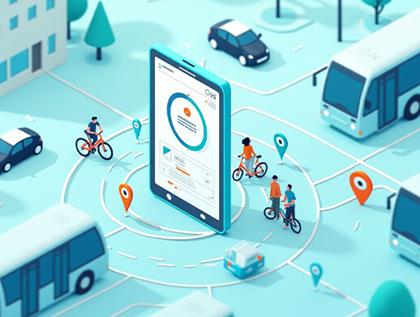
MOBILITY AS A SERVICE (MAAS): THE FUTURE OF CONNECTED TRANSPORTATION
MaaS is evolving the way cities think about transportation — creating a seamless, integrated, and sustainable transportation system using digital t...
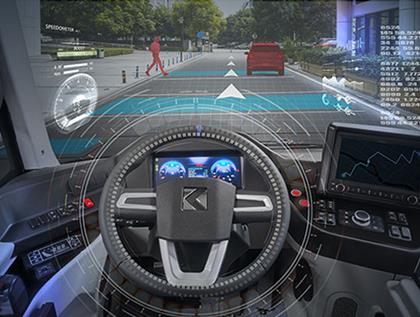
SAFETY FEATURES & REGULATIONS FOR AUTONOMOUS BUSES IN THE EU
Autonomous vehicles are no longer a futuristic concept — they are slowly entering Europe’s roads and reshaping how we think about mobility.
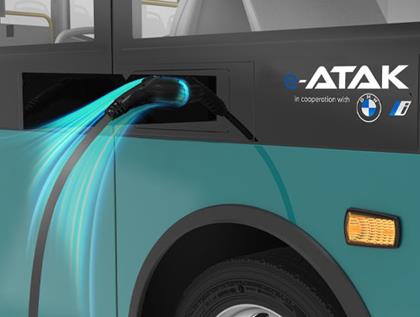
HOW TO PLAN CHARGING INFRASTRUCTURE FOR AN ELECTRIC BUS FLEET
Electrifying a bus fleet is no longer a future plan. For many cities it is an operational reality. Success depends on a well designed charging syst...

WHY THE UK IS SWITCHING TO ELECTRIC BUSES FASTER THAN EVER
The United Kingdom is undergoing a rapid transformation in its public transport system. From London’s iconic red buses to fleets in smaller towns, ...

ELECTRIC VS HYDROGEN BUSES: WHICH IS BETTER FOR CITY TRANSIT?
One of the most important decisions they face is choosing between battery-electric buses (BEBs) and hydrogen fuel cell electric buses (FCEBs). Both...

GLOBAL TRENDS IN ELECTRIC PUBLIC TRANSPORTATION 2025–2030
In this article, we’ll explore the key global trends shaping electric mobility over the next five years, including market growth, infrastructure de...