
-
23 February 2023Karsan Hydrogen Fuel Cell Bus e-ATA Hydrogen
-
17 July 2024Small City Buses: The Eco-Friendly Choice for Urban Commutes
-
23 September 2024Different Bus Sizes in Urban Transportation
-
02 October 2024What is a Shuttle Bus? How is it Used in Urban Transportation?
-
24 June 2026Electric Bus Charging: A Fleet Manager's Guide
-
22 May 2026Why Romania Is One of Europe's Fastest-Growing Electric Bus Markets?
-
20 April 2026Solving Last-Mile Challenges with Compact Electric Shuttle Solutions
-
06 April 2026Karsan e-ATA Series: Which Model is the Right Choice for Your City?

THE DEPOT DILEMMA — PLANNING FOR BATTERY ELECTRIC VEHICLE (BEV) CHARGING FOR BUSES
A practical guide for planning your depot’s BEV charging needs, including AC/DC charging strategies and how Karsan BEVs integrate seamlessly into d...

A CASE STUDY: THE PRIVATE TRANSPORT OPERATOR’S PLAYBOOK FOR BATTERY-ELECTRIC VEHICLES (BEVS) FLEET INTEGRATION
How private transportation companies cut costs and increased passenger satisfaction through the implementation of Karsan’s BEV fleet solutions

COMPREHENSIVE GUIDE TO ELECTRIC BUS PROGRAMS IN THE USA: FUNDING, INCENTIVES & DEPLOYMENT STRATEGIES
The United States is rapidly advancing toward a zero-emission future for public transportation. With ambitious federal goals to decarbonize transit...
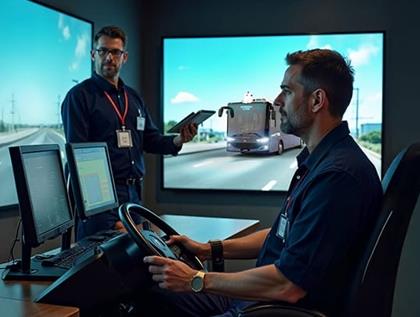
DRIVER TRAINING FOR AUTONOMOUS / ELECTRIC BUSES: WHAT OPERATORS NEED TO KNOW
The future of public transport is electric — and increasingly, autonomous. Across the United States and Europe, battery-electric buses, school buse...

THE NET ZERO MANDATE: WHY DECARBONIZING YOUR FLEET MUST BE A NECESSITY — NOT AN OPTION
Transportation accounts for about 27 percent of the United States' and about one-quarter of Europe's greenhouse gas emissions, mainly due to cars, ...
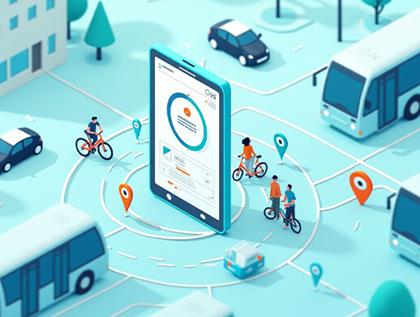
MOBILITY AS A SERVICE (MAAS): THE FUTURE OF CONNECTED TRANSPORTATION
MaaS is evolving the way cities think about transportation — creating a seamless, integrated, and sustainable transportation system using digital t...